A Parable

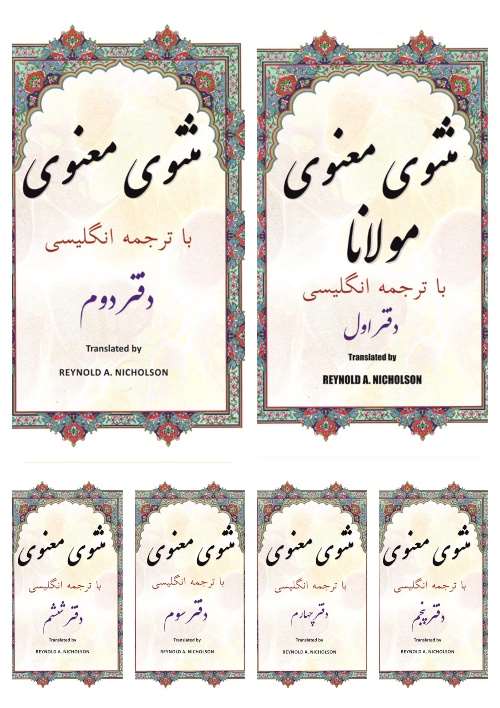
From Rumi’s Masnavi (مثنوی معنوی), Book 2, section 17 of 113: Parable (مثل). Below, each of its 74 couplets is given in Persian, followed by R. A. Nicholson’s English translation.
Parable مثل
آن غریبی خانه میجست از شتاب
دوستی بردش سوی خانهی خراب
A certain stranger was hastily seeking a house: a friend took him to a house in ruins.
گفت او این را اگر سقفی بدی
پهلوی من مر ترا مسکن شدی
He said (to the stranger), “If this (house) had a roof, it would be a home for you beside me.
هم عیال تو بیاسودی اگر
در میانه داشتی حجرهی دگر
Your family too would be comfortable, if it had another room in it.”
گفت آری پهلوی یاران خوش است
لیک ای جان در اگر نتوان نشست
“Yes,” said he, “it is nice (to be) beside friends, but my dear soul, one cannot lodge in ‘if’.”
این همه عالم طلبکار خوشند
وز خوش تزویر اندر آتشند
All the world are seekers of happiness, and on account of a false happiness they are in the fire.
طالب زر گشته جمله پیر و خام
لیک قلب از زر نداند چشم عام
Old and young have become gold-seekers, but the common eye does not distinguish alloy from gold.
پرتوی بر قلب زد خالص ببین
بیمحک زر را مکن از ظن گزین
The pure (gold) shot a beam on the alloy: see that you choose not the gold on the ground of (mere) opinion, without a touchstone.
گر محک داری گزین کن ور نه رو
نزد دانا خویشتن را کن گرو
If you have a touchstone, choose; otherwise, go, devote yourself to him that knows (the difference).
یا محک باید میان جان خویش
ور ندانی ره مرو تنها تو پیش
Either you must have a touchstone within your own soul, or if you know not the Way, do not go forward alone.
بانگ غولان هست بانگ آشنا
آشنایی که کشد سوی فنا
The cry of the ghouls is the cry of an acquaintance an acquaintance who would lure you to perdition.
بانگ میدارد که هان ای کاروان
سوی من آیید نک راه و نشان
She (the ghoul) keeps on crying, “Hark, O caravan people! Come towards me, here is the track and the landmarks.”
نام هر یک میبرد غول ای فلان
تا کند آن خواجه را از آفلان
The ghoul mentions the name of each, saying “O so-and-so,” in order that she may make that personage one of those who sink.
چون رسد آن جا ببیند گرگ و شیر
عمر ضایع راه دور و روز دیر
When he reaches the spot, he sees wolves and lions, his life lost, the road far off, and the day late.
چون بود آن بانگ غول آخر بگو
مال خواهم جاه خواهم و آبرو
Prithee say, what is the ghoul’s cry like? (It is) “I desire riches, I desire position and renown.”
از درون خویش این آوازها
منع کن تا کشف گردد رازها
Prevent these voices from (entering) your heart, so that (spiritual) mysteries may be revealed.
ذکر حق کن بانگ غولان را بسوز
چشم نرگس را از این کرکس بدوز
Repeat (in prayer) the name of God, drown the cry of the ghouls, close your narcissus eye to this vulture.
صبح کاذب را ز صادق واشناس
رنگ می را باز دان از رنگ کاس
Know the difference between the false dawn and the true, distinguish the colour of the wine from the colour of the cup,
تا بود کز دیدهگان هفت رنگ
دیدهای پیدا کند صبر و درنگ
That, perchance, from the eyes which see the seven colours patience and waiting may produce a (spiritual) eye,
رنگها بینی بجز این رنگها
گوهران بینی به جای سنگها
(With which) you may behold colours other than these, and may behold pearls instead of stones.
گوهر چه بلکه دریایی شوی
آفتاب چرخ پیمایی شوی
What pearl? Nay, you will become an ocean, you will become a sun traversing the sky.
کار کن در کارگه باشد نهان
تو برو در کارگه بینش عیان
The Worker is hidden in the workshop: go you and in the workshop see Him plain.
کار چون بر کار کن پرده تنید
خارج آن کار نتوانیش دید
Inasmuch as the work has woven a veil over the Worker, you cannot see Him outside of that work.
کارگه چون جای باش عامل است
آن که بیرون است از وی غافل است
Since the workshop is the dwelling-place of the Worker, he that is outside is unaware of Him.
پس در آ در کارگه یعنی عدم
تا ببینی صنع و صانع را بهم
Come, then, into the workshop, that is to say, non-existence, that you may see the work and the Worker together.
کارگه چون جای روشن دیدهگی است
پس برون کارگه پوشیدگی است
As the workshop is the place of clairvoyance, then outside of the workshop there is (only) blindfold ness.
رو به هستی داشت فرعون عنود
لاجرم از کارگاهش کور بود
The rebellious Pharaoh kept his face towards existence, consequently he was blind to His (God’s) workshop.
لاجرم میخواست تبدیل قدر
تا قضا را باز گرداند ز در
Consequently he was wishing to alter the (Divine) predestination, that he might turn back the (Divine) destiny from his door.
خود قضا بر سبلت آن حیلهمند
زیر لب میکرد هر دم ریشخند
Truly the (Divine) destiny every moment was laughing derisively under its lip at the moustache (arrogance) of that cunning plotter.
صد هزاران طفل کشت او بیگناه
تا بگردد حکم و تقدیر اله
He killed hundreds of thousands of innocent babes, in order that the ordainment and predestination of God might be averted.
تا که موسای نبی ناید برون
کرد در گردن هزاران ظلم و خون
In order that the prophet Moses might not come forth, he laid on his neck (made himself responsible for) thousands of iniquities and murders.
آن همه خون کرد و موسی زاده شد
و ز برای قهر او آماده شد
He wrought all that bloodshed, and (yet) Moses was born and was made ready for his chastisement.
گر بدیدی کارگاه لا یزال
دست و پایش خشک گشتی ز احتیال
Had he seen the workshop of the Everlasting (God), he would have ceased to move hand or foot in plotting.
اندرون خانهاش موسی معاف
و ز برون میکشت طفلان را گزاف
Moses (lay) safe within his (Pharaoh’s) house, while outside he was killing the infants in vain,
همچو صاحب نفس کاو تن پرورد
بر دگر کس ظن حقدی میبرد
Even as the sensual man who pampers his body and suspects some one else of a bitter hatred (against him),
کاین عدو و آن حسود و دشمن است
خود حسود و دشمن او آن تن است
Saying, “This one is a foe, and that one is envious and an enemy,” (though) in truth his envier and enemy is that body (of his).
او چو موسی و تنش فرعون او
او به بیرون میدود که کو عدو
He is like Moses, and his body is his Pharaoh: he keeps running (to and fro) outside, asking, “Where is my enemy?”
نفسش اندر خانهی تن نازنین
بر دگر کس دست میخاید به کین
His fleshly soul (is) luxuriating in the house, which is his body, (while) he gnaws his hand in rancour against some one else.


Special Offers
← Previous sectionMasnavi Book 2 contentsNext section →
More Rumi: the Song of the Reed (Book 1 proem), real Rumi quotes in Persian and the Persian poetry quiz.
Take this lesson further
Serious about Persian? Get all 30 of our Persian learning books for $199.99 (55% less than buying them one by one).
Free Persian Starter Kit (PDF)
The Persian alphabet chart and the 101 most common Persian words with pronunciation, in one printable PDF. You also get a one-time 15% code for any of our books.
We will email you new lessons and book news from Learn Persian Online. Unsubscribe any time.Love Persian poetry? Learn to read it: free Starter Pack
Get the 14-page printable Starter Pack (all 32 letters, a 7-day reading plan, 100 core words and 20 survival phrases) and a short 5-email course. Free.
by: Reza about (category: Masnavi)

Reza is an experienced Persian instructor who has been tutoring students since 2008. He is the founder of Learn Persian Online, a tutoring company that has helped many students learn Persian, this beautiful language. He works with students individually and in group settings, he tutors both live and online Persian courses. Reza provides an individualized custom learning plan and the personalized attention that makes a difference in how people view Persian learning process.


What people say about "A Parable"?
No one replied yet.