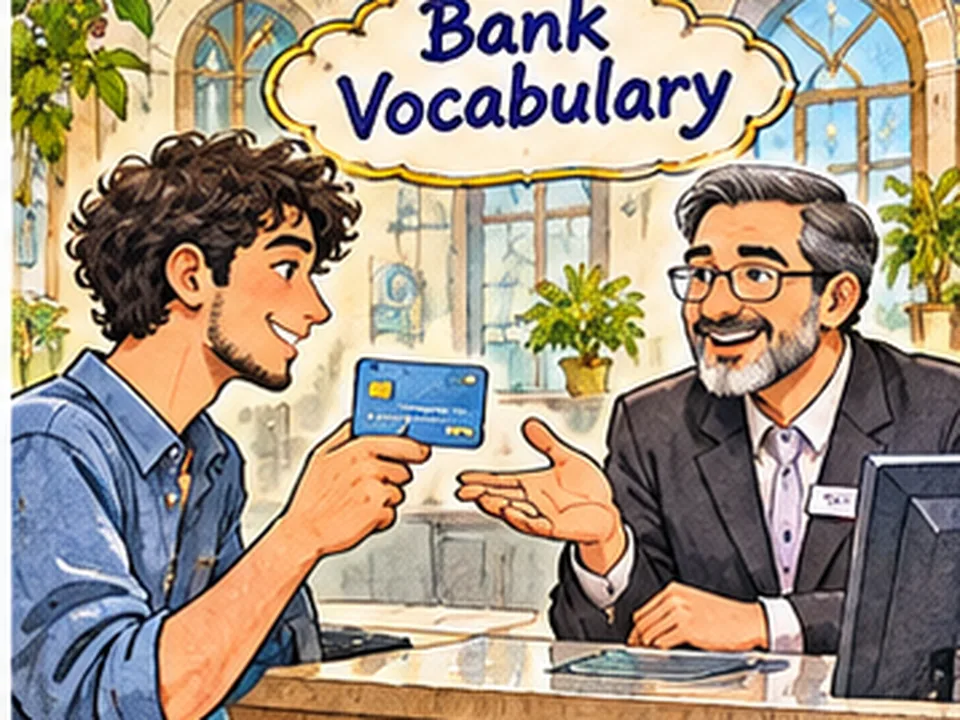
Lesson 20 of Learn to Speak Persian Fast, our free video course: Withdrawing Money. Watch the video for each part, then read the notes, with every Persian word in Persian script, pronunciation and English, and try the practice questions at the end of each part.
New words: Persian words for withdrawing money
Learn 20 Persian words for using an ATM and withdrawing money, with pronunciation, example sentences and a quiz for Lesson 20.
Study notes for this lesson. The Lesson 20 video introduces the new words for this lesson, which is about withdrawing money. Below is a word list on the same theme, example sentences and a short quiz. On the other pages of this lesson, Neda and her brother Omid use an ATM before going shopping.
Many of these words appear on the screen of an ATM, so learning to read them is useful as well as learning to say them.
Word list
| Persian | Pronunciation | English |
|---|---|---|
| برداشت | /bardâsht/ | withdrawal |
| پول برداشتن | /pul bardâshtan/ | to withdraw money |
| خودپرداز | /khodpardâz/ | ATM, cash machine |
| دستگاه | /dastgâh/ | machine |
| کارت بانکی | /kârt-e bânki/ | bank card |
| رمز | /ramz/ | PIN, password |
| موجودی | /mojudi/ | (account) balance |
| رسید | /resid/ | receipt |
| کارمزد | /kârmozd/ | (service) fee |
| سقف | /saghf/ | limit; literally "ceiling" |
| تومان | /tomân/ | toman (unit of money) |
| ریال | /riyâl/ | rial (official unit of money) |
| هزار | /hezâr/ | thousand |
| میلیون | /milyun/ | million |
| دکمه | /dokme/ | button |
| صفحه | /safhe/ | screen; page |
| وارد کردن | /vâred kardan/ | to enter (a number, a PIN) |
| زدن | /zadan/ | to press (a button); to hit |
| کیف پول | /kif-e pul/ | wallet |
| کنار | /kenâr/ | beside, next to |
Notes on the words
- برداشتن (bardâshtan) means "to pick up, to take." With پول (pul) it means "to withdraw money." The noun برداشت (bardâsht) is "withdrawal."
- خودپرداز (khodpardâz) is built from خود (khod, "self") and پرداز (pardâz, from "to pay"), so it is literally a "self-payer."
- The official currency is the rial, but in everyday life people count in tomans. One toman equals ten rials, so prices may be written in rials and spoken in tomans.
- زدن (zadan) has many meanings. With a button it means "to press": دکمه را بزن (dokme râ bezan), "press the button."
Example sentences
| Persian | Pronunciation | English |
|---|---|---|
| باید از خودپرداز پول بردارم. | /bâyad az khodpardâz pul bardâram./ | I have to withdraw money from the ATM. |
| خودپرداز کنار بانک است. | /khodpardâz kenâr-e bânk ast./ | The ATM is next to the bank. |
| رمزت را وارد کن. | /ramzat râ vâred kon./ | Enter your PIN. |
| روی این دکمه بزن. | /ru-ye in dokme bezan./ | Press this button. |
| موجودی حسابم چقدر است؟ | /mojudi-ye hesâbam cheghadr ast?/ | What is my account balance? |
| رسید میخواهید؟ | /resid mikhâhid?/ | Do you want a receipt? |
| پانصد هزار تومان برداشتم. | /pânsad hezâr tomân bardâshtam./ | I withdrew five hundred thousand tomans. |
Words you may see on an ATM screen
| Persian | Pronunciation | English |
|---|---|---|
| رمز را وارد کنید | /ramz râ vâred konid/ | enter your PIN |
| مبلغ | /mablagh/ | amount |
| تأیید | /ta'yid/ | confirm, OK |
| لغو | /laghv/ | cancel |
Saying amounts of money
Large numbers are built like English: the number comes first, then هزار or میلیون, then the unit. The noun stays singular after a number.
| Persian | Pronunciation | English |
|---|---|---|
| صد هزار تومان | /sad hezâr tomân/ | one hundred thousand tomans |
| پانصد هزار تومان | /pânsad hezâr tomân (spoken: punsad hezâr tomân)/ | five hundred thousand tomans |
| یک میلیون تومان | /yek milyun tomân/ | one million tomans |
| دو میلیون و پانصد هزار تومان | /do milyun o pânsad hezâr tomân/ | two and a half million tomans |
Practice
How do you say "ATM" in Persian?
Show answer
khodpardâz خودپرداز
What does {{موجودی}} mean?
Show answer
balance (the money in your account)
Translate: "Enter your PIN."
Show answer
ramzat râ vâred kon. (polite: ramzetân râ vâred konid.) رمزت را وارد کن.
Which is bigger, ten tomans or ten rials?
Show answer
Ten tomans; one toman is ten rials.
What does {{کیف پول}} mean?
Show answer
wallet
Grammar: Prepositions in Persian
Learn the main Persian prepositions (be, az, bâ, dar, barâye, ru-ye, kenâr-e…) with ezafe rules, spoken forms, examples and a quiz.
Study notes for this lesson. The Lesson 20 video teaches Persian prepositions, the small words like "to," "from," "with" and "on." Persian prepositions come before the noun, as in English. Some are simple words; others are nouns that need an ezâfe. The examples use the words from this lesson about withdrawing money.
Simple prepositions
These prepositions stand directly before the noun.
| Persian | Pronunciation | English |
|---|---|---|
| به | /be/ | to |
| از | /az/ | from; than; of |
| با | /bâ/ | with; by (car, bus) |
| در | /dar/ | in, at (spoken: tu) |
| برای | /barâye/ | for |
| تا | /tâ/ | until, as far as |
| بی / بدون | /bi / bedun-e/ | without |
Prepositions with ezâfe
Many words for place are really nouns ("top," "side," "back"). They link to the next word with the ezâfe, -e or -ye. In speech the ezâfe is often dropped after روی and جلوی: رو میز (ru miz), "on the table."
| Persian | Pronunciation | English |
|---|---|---|
| روی | /ru-ye/ | on |
| زیر | /zir-e/ | under |
| کنار | /kenâr-e/ | beside, next to |
| جلوی | /jelo-ye/ | in front of |
| پشت | /posht-e/ | behind |
| نزدیک | /nazdik-e/ | near |
| بین | /beyn-e/ | between |
| داخل | /dâkhel-e/ | inside |
| روبهروی | /ruberu-ye/ | opposite, across from |
Word order
The prepositional phrase usually comes before the verb at the end of the sentence: به بانک میروم. (be bânk miravam), "I go to the bank." Do not translate English word order: "I go to the bank" is not میروم به بانک in standard Persian, although you will hear it in speech.
Spoken Persian
- With verbs of motion, به is usually dropped: میرم بانک (miram bânk), "I'm going to the bank."
- در (dar) is replaced by تو (tu): تو کیفم (tu kifam), "in my bag."
- With pronoun endings: ازش (azash), "from it/him/her"; بهش (behesh), "to him/her"; باهاش (bâhâsh), "with him/her"; براش (barâsh), "for him/her."
Examples
| Persian | Pronunciation | English |
|---|---|---|
| پول را از خودپرداز برداشتم. | /pul râ az khodpardâz bardâshtam./ | I withdrew the money from the ATM. |
| کارت را به من بده. | /kârt râ be man bedeh./ | Give me the card. (literally "give the card to me") |
| با کارت بانکی پول بدهید. | /bâ kârt-e bânki pul bedahid./ | Pay with a bank card. |
| خودپرداز کنار بانک است. | /khodpardâz kenâr-e bânk ast./ | The ATM is next to the bank. |
| رسید روی میز است. | /resid ru-ye miz ast./ | The receipt is on the table. |
| کیف پولم در ماشین است. | /kif-e pulam dar mâshin ast. (spoken: kif-e pulam tu mâshine.)/ | My wallet is in the car. |
| برای خرید، پول نقد لازم دارم. | /barâye kharid, pul-e naghd lâzem dâram./ | I need cash for shopping. |
| بانک بین داروخانه و نانوایی است. | /bânk beyn-e dârukhâne va nânvâyi ast./ | The bank is between the pharmacy and the bakery. |
Common mistakes
- Using در for direction: "I go to the bank" is به بانک میروم, not در بانک میروم. Use در for being inside a place.
- Forgetting the ezâfe in writing: کنار بانک is read kenâr-e bânk, not kenâr bânk.
- Translating every English "on" as روی. "On Friday" needs no preposition at all: جمعه (jom'e), or formally روز جمعه.
- Translating "than" with a new word. Persian uses از: این دستگاه از آن دستگاه جدیدتر است, "this machine is newer than that one."
Practice
How do you say "next to the bank"?
Show answer
kenâr-e bânk کنار بانک
Fill in the preposition: "I withdrew money ___ the ATM." پول را ___ خودپرداز برداشتم.
Show answer
az از
What is the spoken word for {{در}} (in)?
Show answer
tu تو
Translate: "The receipt is under the wallet."
Show answer
resid zir-e kif-e pul ast. رسید زیر کیف پول است.
Correct the mistake: {{در بانک میروم}} (meaning "I go to the bank")
Show answer
be bânk miravam. به بانک میروم.
Speaking practice: withdrawing money at the ATM
A spoken Persian dialogue at an ATM about withdrawing cash, with useful phrases, a role-play idea and a quiz for Lesson 20.
Study notes for this lesson. After the speaking video, practice with this original dialogue. Neda needs cash for shopping, and her brother Omid helps her use an ATM. They are brother and sister, so they speak informally and use the singular "you."
Dialogue
| Speaker | Persian | Pronunciation | English |
|---|---|---|---|
| Neda | امید، من باید یه کم پول بردارم. خودپرداز کجاست؟ | /omid, man bâyad ye kam pul bardâram. khodpardâz kojâst?/ | Omid, I need to withdraw some money. Where is the ATM? |
| Omid | کنار بانک، روبهروی نونوایی. | /kenâr-e bânk, ruberu-ye nunvâyi./ | Next to the bank, across from the bakery. |
| Neda | بیا با هم بریم. | /biyâ bâ ham berim./ | Let's go together. |
| Omid | اول کارت رو بذار تو دستگاه. | /aval kârt ro bezâr tu dastgâh./ | First, put the card in the machine. |
| Neda | خب، حالا رمزمو وارد میکنم. | /khob, hâlâ ramzamo vâred mikonam./ | OK, now I'll enter my PIN. |
| Omid | حالا رو دکمهی برداشت بزن. | /hâlâ ru dokme-ye bardâsht bezan./ | Now press the withdrawal button. |
| Neda | چقدر میتونم بردارم؟ | /cheghadr mitunam bardâram?/ | How much can I withdraw? |
| Omid | صفحه رو ببین، سقفش رو نوشته. | /safhe ro bebin, saghfesh ro neveshte./ | Look at the screen; it shows the limit. |
| Neda | پونصد هزار تومن برمیدارم. | /punsad hezâr tomân barmidâram./ | I'll take out five hundred thousand tomans. |
| Omid | رسید هم میخوای؟ | /resid ham mikhây?/ | Do you want a receipt too? |
| Neda | آره، میخوام موجودیمو ببینم. | /âre, mikhâm mojudimo bebinam./ | Yes, I want to see my balance. |
| Omid | پولت رو بذار تو کیف پولت. کارتت هم یادت نره. | /pulet ro bezâr tu kif-e pulet. kârtet ham yâdet nare./ | Put your money in your wallet. And don't forget your card. |
Useful phrases
| Persian | Pronunciation | English |
|---|---|---|
| باید پول بردارم. | /bâyad pul bardâram./ | I need to withdraw money. |
| خودپرداز کجاست؟ | /khodpardâz kojâst?/ | Where is the ATM? |
| کارت رو بذار تو دستگاه. | /kârt ro bezâr tu dastgâh./ | Put the card in the machine. (written: kârt râ dar dastgâh begozâr.) |
| رمزمو وارد میکنم. | /ramzamo vâred mikonam./ | I'm entering my PIN. (written: ramzam râ vâred mikonam.) |
| رو دکمه بزن. | /ru dokme bezan./ | Press the button. (written: ru-ye dokme bezan.) |
| رسید میخوای؟ | /resid mikhây?/ | Do you want a receipt? (polite: resid mikhâyn?) |
| کارتت یادت نره. | /kârtet yâdet nare./ | Don't forget your card. |
Notes
- Prepositions from the grammar page: کنار, روبهروی, تو (spoken for در), رو (spoken for روی) and با.
- رمزمو (ramzamo) is spoken Persian for رمزم را (ramzam râ), "my PIN" as a direct object. After a consonant, را often becomes -o.
- یادت نره (yâdet nare), literally "may it not leave your memory," is the everyday way to say "don't forget."
Role-play
Work with a partner. One of you is visiting Iran and has never used an Iranian ATM; the other is a friend who explains each step. Ask where the ATM is, then go through the steps: put in the card, enter the PIN, choose the amount, take the receipt and the card. Use at least three prepositions, such as کنار, تو and از.
Practice
Where is the ATM?
Show answer
Next to the bank, across from the bakery. کنار بانک، روبهروی نونوایی.
What does Neda do after putting in her card?
Show answer
She enters her PIN. رمزشو وارد میکنه.
How much money does Neda withdraw?
Show answer
Five hundred thousand tomans. پونصد هزار تومن
Why does Neda want a receipt?
Show answer
To see her balance. میخواد موجودیشو ببینه.
How do you say "Don't forget your card" in spoken Persian?
Show answer
kârtet yâdet nare. کارتت یادت نره.
Reading practice: Neda withdraws money
A short beginner Persian reading about withdrawing money from an ATM, with pronunciation, English, key words and a comprehension quiz.
Study notes for this lesson. This original reading text uses the money words and the prepositions of Lesson 20. It is in standard written Persian. Read each sentence aloud, check the pronunciation, then cover the English column and read again.
Before you read, look for prepositions. Each sentence has at least one, such as به, از, در, کنار or روی. Try to spot them before you read the English.
Reading text
| Persian | Pronunciation | English |
|---|---|---|
| ندا و برادرش امید جمعه به بازار رفتند. | /nedâ va barâdarash omid jom'e be bâzâr raftand./ | On Friday, Neda and her brother Omid went to the bazaar. |
| ندا برای خرید، پول نقد لازم داشت. | /nedâ barâye kharid pul-e naghd lâzem dâsht./ | Neda needed cash for shopping. |
| کنار یک بانک بزرگ، یک خودپرداز بود. | /kenâr-e yek bânk-e bozorg, yek khodpardâz bud./ | There was an ATM next to a big bank. |
| ندا کارتش را در دستگاه گذاشت و رمزش را وارد کرد. | /nedâ kârtash râ dar dastgâh gozâsht va ramzash râ vâred kard./ | Neda put her card in the machine and entered her PIN. |
| امید پشت سر او ایستاد و به صفحه نگاه نکرد. | /omid posht-e sar-e u istâd va be safhe negâh nakard./ | Omid stood behind her and did not look at the screen. |
| ندا روی دکمهی برداشت زد. | /nedâ ru-ye dokme-ye bardâsht zad./ | Neda pressed the withdrawal button. |
| او پانصد هزار تومان از حسابش برداشت. | /u pânsad hezâr tomân az hesâbash bardâsht./ | She withdrew five hundred thousand tomans from her account. |
| دستگاه یک رسید هم به او داد. | /dastgâh yek resid ham be u dâd./ | The machine also gave her a receipt. |
| روی رسید، موجودی حساب و کارمزد نوشته شده بود. | /ru-ye resid, mojudi-ye hesâb va kârmozd neveshte shode bud./ | The account balance and the fee were printed on the receipt. |
| ندا پول را در کیف پولش گذاشت. | /nedâ pul râ dar kif-e pulash gozâsht./ | Neda put the money in her wallet. |
| بعد، آنها با هم به داخل بازار رفتند. | /ba'd, ânhâ bâ ham be dâkhel-e bâzâr raftand./ | Then they went into the bazaar together. |
Key words
- بازار (bâzâr): bazaar, market
- لازم داشتن (lâzem dâshtan): to need
- گذاشتن (gozâshtan): to put
- پشت سر (posht-e sar-e): behind (someone)
- ایستادن (istâdan): to stand
- رسید (resid): receipt
- موجودی (mojudi): balance
- کارمزد (kârmozd): fee
Grammar to notice
Sentence 3 starts with the place, کنار یک بانک بزرگ, and then says what was there. This is a common way to describe where something is. In sentence 11, به داخل means "into": به shows the direction and داخل the place.
After you read
- Draw a quick map of the street in the story: the bank, the ATM and the bazaar. Label each place in Persian.
- Retell the story in the first person, as if you were Neda: جمعه با برادرم به بازار رفتیم. (jom'e bâ barâdaram be bâzâr raftim), "On Friday I went to the bazaar with my brother."
- Why do you think Omid did not look at the screen?
Finally, read the whole text aloud one more time without stopping. If a word slows you down, find it in the key word list or on the New Words page, then read the sentence again.
Practice
Why did Neda need money? ندا چرا پول لازم داشت؟
Show answer
For shopping at the bazaar. برای خرید.
Where was the ATM? خودپرداز کجا بود؟
Show answer
Next to a big bank. کنار یک بانک بزرگ.
Where did Omid stand? امید کجا ایستاد؟
Show answer
Behind Neda. پشت سر ندا.
What was printed on the receipt? روی رسید چه نوشته شده بود؟
Show answer
The account balance and the fee. موجودی حساب و کارمزد.
Where did Neda put the money? ندا پول را کجا گذاشت؟
Show answer
In her wallet. در کیف پولش.
Take this lesson further

Study with the book
Learn to Speak Persian Fast: For Beginners
This free lesson is part of Learn to Speak Persian Fast. The book puts the whole series in one printable PDF you can study offline.
Serious about Persian? Get all 30 of our Persian learning books for $199.99 (55% less than buying them one by one).
Free Persian Starter Kit (PDF)
The Persian alphabet chart and the 101 most common Persian words with pronunciation, in one printable PDF. You also get a one-time 15% code for any of our books.
We will email you new lessons and book news from Learn Persian Online. Unsubscribe any time.Free Persian Starter Pack: Alphabet + 100 Core Words
Get the 14-page printable Starter Pack (all 32 letters, a 7-day reading plan, 100 core words and 20 survival phrases) and a short 5-email course. Free.