Saadi’s Bustan: The Dervish and the Fox (حکایت درویش با روباه)

Saadi's Bustan: the Dervish and the Fox ( (حکایت درویش با روباه)) is from Chapter II, On Beneficence (در احسان) of Saadi’s Bustan (بوستان, “The Orchard”), written in 1257. The Persian verses are given with a rhymed English translation, couplet by couplet.
“The Dervish and the Fox” (حکایت درویش با روباه) is a short story in verse from Saadi’s Bustan. A dervish sees a fox with useless legs that lives on a lion’s leftovers, decides to sit and wait for God to feed him too, and nearly starves. A voice tells him to be the lion, not the fox: work, and feed others.
Below you will find the full Persian text with a verse translation, a plain-English retelling, the moral, the key vocabulary, a short quiz and the video reading. The story belongs to the second chapter of the Bustan, On Beneficence; see the Bustan Saadi index for the other stories.
The story in plain English
- A man sees a fox that cannot use its legs. Amazed at God’s kindness and creation, he wonders how such an animal stays alive and where its food comes from.
- While the dervish is thinking about this, a lion arrives with a jackal in its claws. The lion eats the unlucky jackal, and the fox eats its fill from what is left.
- The next day the same thing happens: the Provider of daily bread (روزیرسان) feeds the fox again. The man is now sure he has seen the truth and decides to rely only on the Creator.
- He says: “From now on I will sit in a corner like an ant, since even elephants do not get their food by strength.” He sinks his chin into his collar and waits for the Giver to send food from the unseen.
- No one, stranger or friend, takes care of him. He wastes away until he is only veins, bones and skin, like the frame of a harp.
- When his patience and his senses are gone, a voice reaches him from the wall of the prayer niche (محراب): “Go, be a tearing lion, you fraud. Do not throw yourself down like the lame fox.”
- The voice goes on: strive so that others can live on what you leave, like the lion. Why be satisfied with leftovers, like the fox? Earn your bread with your own arm, help the old and the poor instead of asking to be helped, and do good to people.
The moral of the story
Saadi’s lesson is that trust in God (توکل, tavakkol) is not an excuse for idleness. A healthy person who can work should not live on what others leave behind; he should be like the lion, whose effort feeds others too. The closing couplets turn this into a lesson on beneficence, the theme of the chapter:
- بگیر ای جوان دست درویش پیر / نه خود را بیفگن که دستم بگیر: “Take the hand of the old dervish, young man; do not throw yourself down and cry, Take my hand.” Help others instead of waiting for help.
- خدا را بر آن بنده بخشایش است / که خلق از وجودش در آسایش است: “God’s mercy is on that servant through whom people find comfort.”
- کسی نیک بیند به هر دو سرای / که نیکی رساند به خلق خدای: “Only the one who does good to God’s creatures sees good in both worlds.”
A common Persian saying expresses the same idea: از تو حرکت، از خدا برکت (az to harekat, az khodâ barekat), “From you the effort, from God the blessing.”
Persian text with English verse translation
Each row gives two couplets (beyts) of the Persian with a rhymed English translation. The translation is free in places; the plain-English retelling above follows the Persian more closely.
| English verse translation | Persian (Saadi) |
|---|---|
| A man saw a fox that had paralyzed feet; At God’s work he was lost in amazement complete — Saying, “Since he was able to live in a way, With members so useless when ate he each day?” | یکی روبهی دید بی دست و پای فرو ماند در لطف و صنع خدای که چون زندگانی به سر میبرد؟ بدین دست و پای از کجا میخورد؟ |
| The Dervish was puzzling his brains very much, When a lion appeared with a jackal in’s clutch; He fed on the jackal, of fortune bereft, And the fox ate his fill from the portion he left. | در این بود درویش شوریده رنگ که شیری برآمد شغالی به چنگ شغال نگون بخت را شیر خورد بماند آنچه روباه از آن سیر خورد |
| It happened next morn, in a similar way, That Providence gave him his food for the day. Truth enabled the eyes of the man, then, to see; He went, and his hope on the Maker placed he. | دگر روز باز اتفاق اوفتاد که روزی رسان قوت روزش بداد یقین، مرد را دیده بیننده کرد شد و تکیه بر آفریننده کرد |
| “Like an ant, in a corner I’ll sit, from this hour, For elephants get not subsistence by pow’r.” With his chin on his breast, for a little, he stood, That the Giver might from the unseen send him food. | کز این پس به کنجی نشینم چو مور که روزی نخوردند پیلان به زور زنخدان فرو برد چندی به جیب که بخشنده روزی فرستد ز غیب |
| Neither stranger nor friend to relieve him took pains; There remained of him, harp-like, but skin, bone and veins. | نه بیگانه تیمار خوردش نه دوست چو چنگش رگ و استخوان ماند و پوست |
| When of patience and sense, due to weakness, deprived, A voice at his ear from the Mosque niche arrived: — “Go, copy the fierce, tearing tiger, oh cheat! And ape not the fox with the paralyzed feet! | چو صبرش نماند از ضعیفی و هوش ز دیوار محرابش آمد به گوش برو شیر درنده باش، ای دغل مینداز خود را چو روباه شل |
| So strive that you have, like the lion, to spare; Like the fox, why be pleased with ‘remains’ for your fare?” Should a man, like a tiger, a fat neck possess, And fall like a fox, than a dog, he is less. | چنان سعی کن کز تو ماند چو شیر چه باشی چو روبه به وامانده سیر؟ چو شیر آن که را گردنی فربه است گر افتد چو روبه، سگ از وی به است |
| Make use of your hands! with your peers eat and drink! And from eating the leavings of other men, shrink! By your own arm, while fit, let your food be supplied! For your efforts will by your own balance be tried. | بچنگ آر و با دیگران نوش کن نه بر فضله دیگران گوش کن بخور تا توانی به بازوی خویش که سعیت بود در ترازوی خویش |
| Like a man, bear your trouble, and happiness give! On the labour of others let [the unmanly] live! Go thou and assist! oh advice-taking man! Do not cast thyself down! saying, “Help! if you can.” | چو مردان ببر رنج و راحت رسان مخنث خورد دسترنج کسان بگیر ای جوان دست درویش پیر نه خود را بیفگن که دستم بگیر |
| That servant from God will forgiveness obtain, Through the presence of whom people happy remain. Kind acts are performed by that head that has mind; The mean, like a skin, without brains, you will find. | خدا را بر آن بنده بخشایش است که خلق از وجودش در آسایش است کرم ورزد آن سر که مغزی در اوست که دون همتانند بی مغز و پوست |
| The good of both worlds the kind person enjoys Who in bettering people, his moments employs. | کسی نیک بیند به هر دو سرای که نیکی رساند به خلق خدای |
Key vocabulary
| Persian | Pronunciation | English |
|---|---|---|
| روباه / روبه | rubâh / rubah | fox (روبه is the short poetic form) |
| شیر | shir | lion |
| شغال | shoghâl | jackal |
| درویش | darvish | dervish; a poor man devoted to God |
| شوریده | shuride | distraught, bewildered |
| نگونبخت | negun-bakht | unlucky, ill-fated |
| روزی | ruzi | daily bread, livelihood |
| روزیرسان | ruzi-resân | the Provider (an epithet of God) |
| قوت | ghut | food, nourishment |
| یقین | yaghin | certainty |
| مور | mur | ant (poetic) |
| پیل | pil | elephant (poetic; modern فیل) |
| زنخدان | zanakhdân | chin |
| غیب | gheyb | the unseen |
| تیمار خوردن | timâr khordan | to look after, to care for |
| چنگ | chang | claw, grip; also a harp |
| محراب | mehrâb | prayer niche of a mosque |
| دغل | daghal | cheat, fraud |
| شل | shal | lame, paralyzed |
| فربه | farbeh | fat, thick |
| فضله | fazle | leftovers, scraps |
| بازو | bâzu | arm; strength |
| دسترنج | dastranj | what one earns by one’s own labor |
| کرم | karam | generosity |
| سرای | sarây | house, abode; هر دو سرای = both worlds |
Words and phrases to notice
- زنخدان فرو برد چندی به جیب means “he sank his chin into his collar for a while”: he sat with his head bowed in meditation, waiting. In classical Persian جیب often means the collar or neck opening of a garment, not a pocket as in modern Persian.
- ز غیب (“from the unseen”): food that comes without visible cause, sent by God.
- چو چنگش رگ و استخوان ماند و پوست (“like a harp, veins, bones and skin were all that remained”): the starving man is compared to the frame and strings of a harp.
- گر افتد چو روبه، سگ از وی به است: “If a man with a thick neck like a lion falls down like a fox, a dog is better than him.”
- Classical spellings: the text writes میبرد and میخورد without the space or ZWNJ used in modern spelling (میبرد, میخورد). They are kept here as in the source.
Check what you understood of Saadi’s story of the dervish and the fox.
1. What is wrong with the fox the dervish sees?
2. How does the fox get its food?
3. What does the dervish decide to do?
4. What does شغال mean?
5. What does the voice from the prayer niche tell him?
6. According to the last couplet, who sees good in both worlds?
Answer key with explanations
- A. It cannot use its legs: The first line says یکی روبهی دید بی دست و پای: a fox without (the use of) hands and feet.
- C. It eats what the lion leaves of the jackal: The lion eats the jackal, and بماند آنچه روباه از آن سیر خورد: the fox eats its fill from what remains.
- D. Sit in a corner and wait for God to feed him: He says کز این پس به کنجی نشینم چو مور: from now on I will sit in a corner like an ant.
- B. jackal: شغال (shoghâl) is a jackal; شیر is lion, روباه is fox and مور is ant.
- A. Be a tearing lion, not a lame fox: برو شیر درنده باش، ای دغل / مینداز خود را چو روباه شل
- A. The one who does good to God’s creatures: کسی نیک بیند به هر دو سرای / که نیکی رساند به خلق خدای
Watch the reading
More from Saadi
- Another Bustan story about trust in God: Saadi’s Bustan: Looking to God, Not to Causes.
- A Bustan story about kindness: Saadi’s Bustan: Good Results of a Small Favour.
- Visit the poet’s resting place: Saadi’s Tomb in Shiraz.
- More classical poetry: a collection of famous Persian poems, and test yourself with the Persian poetry quiz.
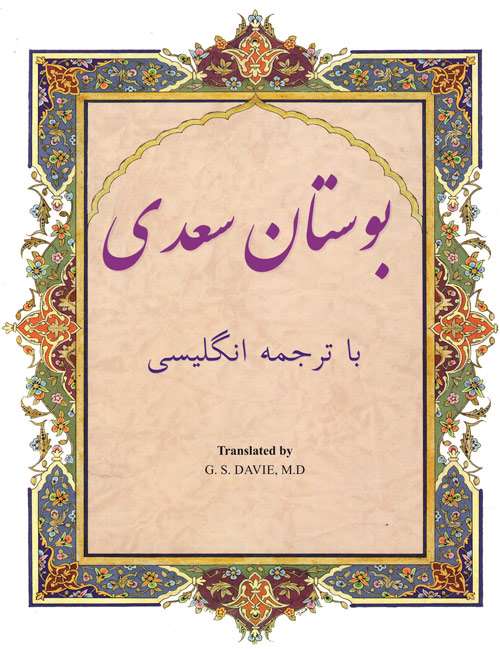
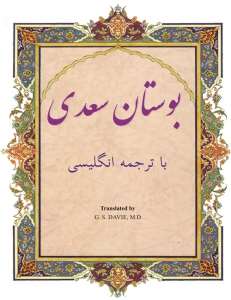
- The full book: Bustan in Farsi with English translation.
Common questions
What is the story of the fox and the lion in Saadi’s Bustan?
A dervish sees a fox that cannot use its legs being fed every day by the leftovers of a lion’s kill. He decides to stop working and wait for God to feed him, nearly starves, and is told by a voice from the prayer niche to be like the lion, not the lame fox.
What is the moral of the dervish and the fox?
Trust in God does not mean sitting idle. If you are able, work for your own bread and help others, so that people live from your effort, as the fox lived from the lion’s.
What does برو شیر درنده باش ای دغل mean?
“Go, be a tearing lion, you fraud; do not throw yourself down like the lame fox.” It is the voice’s rebuke to the dervish, and the most quoted couplet of the story.
What does بگیر ای جوان دست درویش پیر mean?
“Take the hand of the old dervish, young man; do not throw yourself down and say, Take my hand.” It tells the able-bodied to give help rather than ask for it.
Why is this page sometimes called “the Dervish and the Pox”?
“Pox” is a typo for “fox.” The Persian title, حکایت درویش با روباه, means “the story of the dervish and the fox.”
Special Offers
← Previous storyAll Bustan storiesNext story →
More Saadi and Persian poetry: Persian poetry, the Persian poetry quiz and Persian proverbs.
Take this lesson further
Serious about Persian? Get all 30 of our Persian learning books for $199.99 (55% less than buying them one by one).
Free Persian Starter Kit (PDF)
The Persian alphabet chart and the 101 most common Persian words with pronunciation, in one printable PDF. You also get a one-time 15% code for any of our books.
We will email you new lessons and book news from Learn Persian Online. Unsubscribe any time.Love Persian poetry? Learn to read it: free Starter Pack
Get the 14-page printable Starter Pack (all 32 letters, a 7-day reading plan, 100 core words and 20 survival phrases) and a short 5-email course. Free.
by: Reza about (category: Bustan Saadi)

Reza is an experienced Persian instructor who has been tutoring students since 2008. He is the founder of Learn Persian Online, a tutoring company that has helped many students learn Persian, this beautiful language. He works with students individually and in group settings, he tutors both live and online Persian courses. Reza provides an individualized custom learning plan and the personalized attention that makes a difference in how people view Persian learning process.
What people say about "Saadi's Bustan: The Dervish and the Fox (حکایت درویش با روباه)"?
No one replied yet.