47 pages · Printable PDF · Instant download
- Instant downloadYours right after checkout
- Secure checkoutCard (Stripe) or PayPal
- Read anywherePhone, tablet or computer, or print it

Paperback sold separately. As an Amazon Associate I earn from qualifying purchases.
Buy 2 or more books and save up to 25% at checkout.
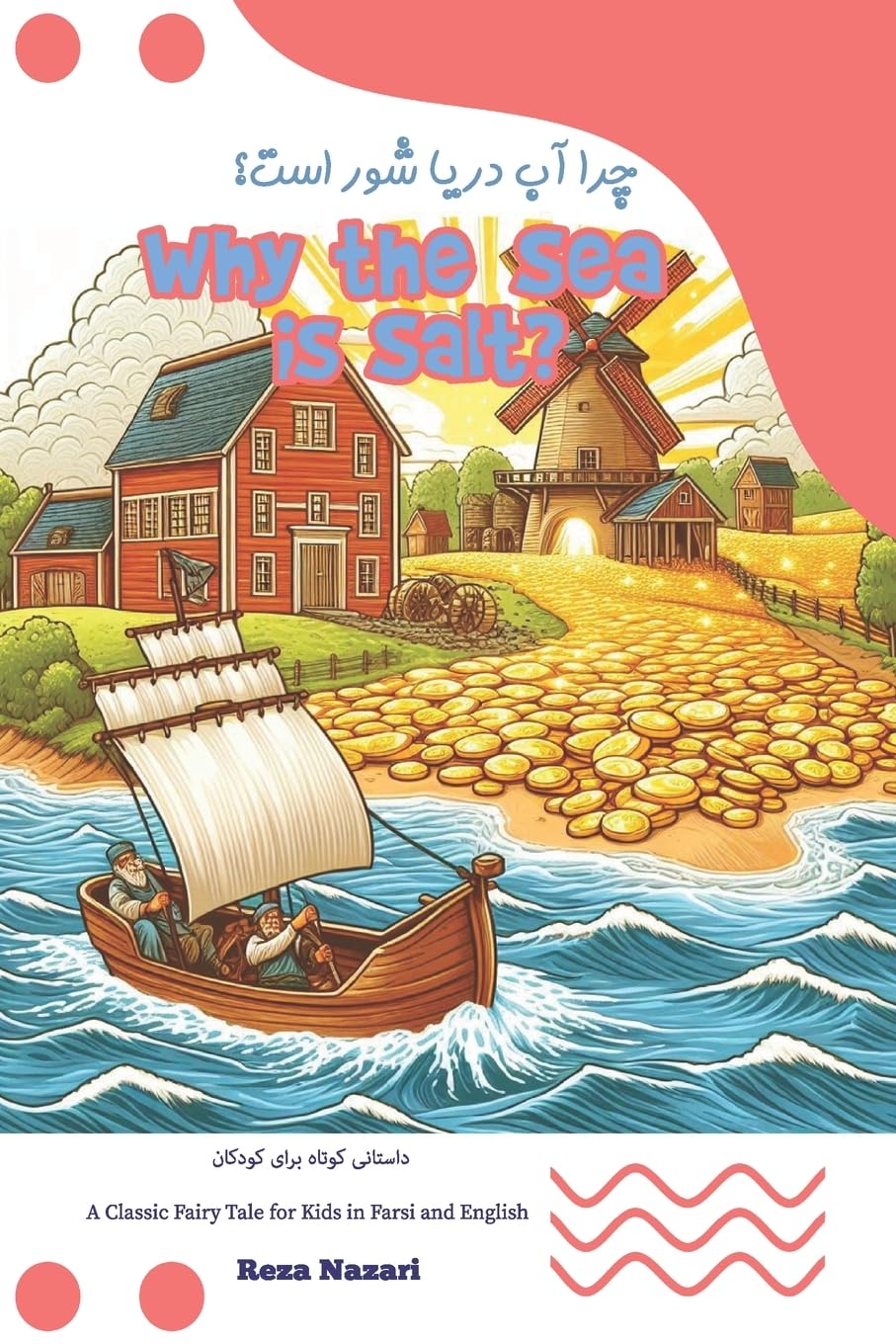
Why the Sea is Salt?
Why the Sea is Salt? retells the Norwegian folk tale in English and Persian for children. A poor brother with no food for Christmas carries a ham to a spooky place called Dead Man’s Hall and, on an old woodcutter’s advice, trades it only for the magic hand-mill behind the door. The mill can make anything, which brings trouble once his jealous brother finds out. 47-page PDF.
A folk tale about kindness, greed and a mill that will not stop
Two brothers, one rich and one poor, and a Christmas with nothing to eat: the poor brother asks for help and is sent off with a ham to Dead Man’s Hall. On the way, an old man with a long white beard tells him to trade the ham only for the hand-mill behind the door, and to come back to learn how to stop it.
Back home, the mill grinds out lights, a tablecloth and a whole Christmas feast, and the rich brother grows jealous. Why the Sea is Salt? ends by answering the question in its title. The story is told in English and Persian, which makes it a good read-aloud for the winter holidays.
At a glance
About the story
The story
A trade at Dead Man’s Hall, a secret learned from an old woodcutter, a feast from a magic mill, and a jealous brother who wants to know where it all came from.
What children learn
That kindness and keeping your word pay off, and that greed and showing off lead to trouble.
Where it comes from
A traditional tale from Norway, collected in the 1800s by Peter Christen Asbjørnsen and Jørgen Moe.
Good for
Holiday reading, since the story takes place at Christmas, and children who like magic objects.
Reading it together
- Read the English first, then the Persian, so your child always knows what is happening.
- Pause at the old man’s advice and ask your child what the brother should do next.
- List the things the mill makes and name them in Persian, such as غذا (ghazâ, food) and نور (nur, light).
- Talk about the ending: why is the sea salty in the story, and why is it salty in real life? Find more food words in the free Persian vocabulary lessons.
Who this book is for
A good fit if you
- want a holiday story with a clear lesson about greed
- have a child who enjoys spooky-but-safe places like Dead Man’s Hall
- are building a Persian bookshelf of world folk tales
Look elsewhere if you
- need a story you can finish in five minutes; The Little Red Hen is shorter
- want a tale from Iran rather than Europe; try Rostam Seven Trials
Use it with
- The Fisherman and His Wife: another tale where wanting too much goes wrong.
- Farsi Children Books Bundle: folk tales, biographies and word books together.
Common questions
Where does the story come from?
It is a Norwegian folk tale, not a Persian one. This edition tells it in English and Persian.
What age is it for?
About 5 to 9. It reads well aloud over one or two evenings.
Is it a Christmas story?
Yes. The action happens over Christmas. Parents may like to know that at his party the brother has a little too much to drink and gives his secret away.
What do I get after I buy?
You get Why the Sea is Salt? as a 47-page PDF as soon as checkout is done. Read it on a tablet or computer, or print it at home.
Is there a paperback?
There is a paperback of Why the Sea is Salt? on Amazon. What you buy here is the PDF.
Related Persian books
More Persian learning books on similar topics.
 Learn Farsi in 100 Days: Book + Workbook (2 PDF Ebooks)
Original price was: $29.98.$24.99Current price is: $24.99.


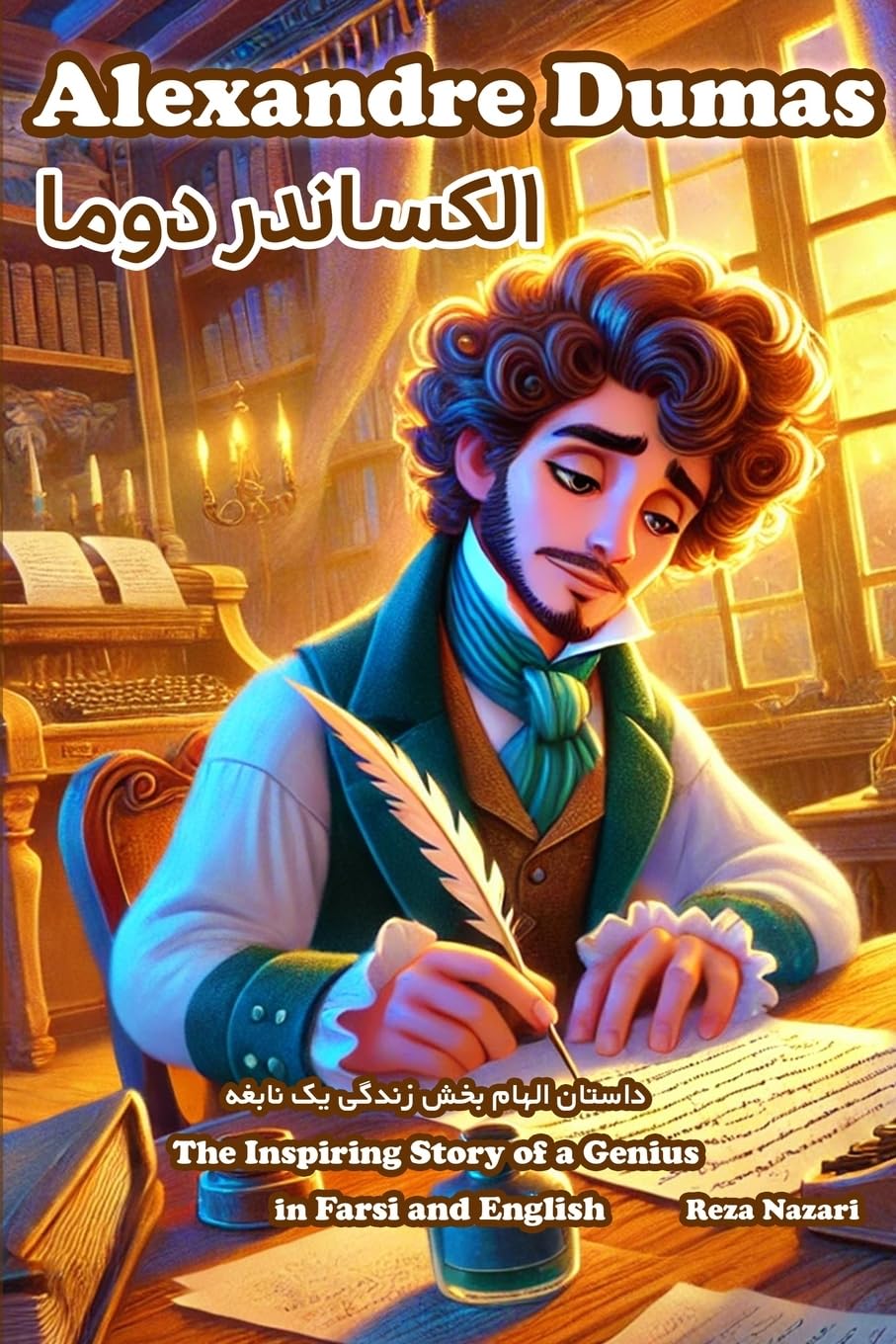 Alexandre Dumas: The Inspiring Story of a Genius in Farsi and English
$12.99
What do you think about "Why the Sea is Salt?" book?
You must be logged in to post a review.
Product Reviews
There are no reviews yet.