Good Job in Persian: 20 Ways to Say Well Done (and How to Reply)

The most common way to say “good job” in Persian is آفرین (âfarin), which works like “well done” or “bravo” for anyone, from a child to a colleague. With friends, Iranians often say دمت گرم (damet garm, “nice one”). To praise someone’s hard work, say خسته نباشید (khaste nabâshid) or دستت درد نکنه (dastet dard nakone).
Persian has no single word-for-word match for “good job.” Instead, it has a family of phrases, and the right one depends on who you are talking to and what they did: passed an exam, cooked dinner, finished a long shift, or scored a goal. Below you will find each phrase with pronunciation, what it literally means, when Iranians actually say it, and how to reply when someone says it to you. Phrases marked “spoken” are the everyday forms; formal versions are given where they differ.
Good job in Persian: the 20 phrases at a glance
| Persian | Pronunciation | English | When to use |
|---|---|---|---|
| آفرین | âfarin | well done, bravo | anyone, any situation; the safe default |
| صد آفرین | sad âfarin | well done indeed (“a hundred bravos”) | extra warm praise, often to children and students |
| بارکالله | bârakallâ (often heard as bârikallâ) | bravo, well done | a bit old-fashioned; parents, teachers, older people |
| خیلی خوب بود | kheyli khub bud | that was very good | neutral, all registers |
| عالی بود | âli bud | that was excellent | neutral, all registers |
| فوقالعاده بود | fogholâde bud | that was amazing | strong praise, all registers |
| کارت حرف نداره | kâret harf nadâre | your work is flawless | spoken; praising skill or quality |
| دمت گرم | damet garm | nice one, cheers, good on you | spoken, casual; friends, peers |
| ایول | eyval | yes, awesome, way to go | slang; friends, young people |
| گل کاشتی | gol kâshti | you nailed it (“you planted a flower”) | spoken; a standout result |
| ترکوندی | tarkundi | you killed it | slang; friends, young people |
| محشر بود | mahshar bud | that was awesome | spoken, casual |
| خسته نباشید | khaste nabâshid | good work, thanks for your effort (“may you not be tired”) | anyone who has been working; very common |
| دستت درد نکنه | dastet dard nakone | thanks for your work (“may your hand not hurt”) | spoken; after someone made or did something for you |
| خیلی زحمت کشیدی | kheyli zahmat keshidi | you put in a lot of effort | spoken; thanks for effort |
| دست مریزاد | dast marizâd | fine work (“may your hand not tremble”) | traditional; craft, cooking, art |
| ماشالله | mâshâllâ | wonderful (admiration without envy) | children, achievements, good fortune |
| بهت افتخار میکنم | behet eftekhâr mikonam | I’m proud of you | spoken; family, close friends, students |
| همینطوری ادامه بده | hamintori edâme bede | keep it up | spoken; encouragement |
| تبریک میگم | tabrik migam | congratulations | spoken; results, promotions, graduations |
آفرین (âfarin): the all-purpose “well done”
آفرین (âfarin) is the word to learn first. A teacher says it when a student answers correctly, a parent says it when a toddler stacks a tower of blocks, and a manager can say it to an employee who handled a difficult client. Stress falls on the last syllable: â-fa-RIN. It is an old Persian word connected to the idea of praise and blessing, and it has no slang flavor at all, so you cannot go wrong with it.
Iranians often add a second phrase to make the praise specific:
- آفرین، خیلی خوب بود (âfarin, kheyli khub bud): well done, that was very good.
- آفرین، درسته (âfarin, dorost-e, spoken): well done, that’s right. Typical in class.
- آفرین، عزیزم (âfarin, azizam): well done, sweetheart. For children and loved ones.
- صد آفرین (sad âfarin) : literally “a hundred bravos,” a warmer, bigger well done.
A close cousin is بارکالله (bârakallâ) , a phrase of Arabic origin meaning roughly “God bless.” In everyday speech it is usually pronounced bârikallâ, and it sounds a little old-fashioned: you hear it from grandparents, older teachers and in films. It still means simply “bravo.”
Neutral praise: “that was great”
If you want to praise the result rather than the person, use an adjective with بود (bud, “was”). These work in any register, from a family dinner to a business meeting:
- خیلی خوب بود (kheyli khub bud): that was very good.
- عالی بود (âli bud) : that was excellent. In the present tense, spoken: عالیه (âliye, “it’s excellent”).
- فوقالعاده بود (fogholâde bud): that was amazing.
- کارت عالی بود (kâret âli bud): your work was excellent. Polite or plural: کارتون عالی بود (kâretun âli bud, spoken), کارتان عالی بود (kâretân âli bud, formal).
For something that is truly excellent, say کارت حرف نداره (kâret harf nadâre) . Literally “your work has no words,” meaning nobody could find anything to criticize. It is spoken Persian; the written form is کارت حرف ندارد (kâret harf nadârad). It is a favorite compliment for a mechanic, a hairdresser, a cook or any skilled worker. For more words like عالی and محشر, see our guide to compliments in Persian and how to reply.
Casual and slang: “nice one,” “you nailed it”
With friends, siblings and teammates, Iranians switch to warmer, more colorful phrases. These are spoken only; you would not write them in an email to your boss.
دمت گرم (damet garm)
دمت گرم (damet garm) literally means “may your breath be warm.” It is a mix of “good job,” “thanks” and “good on you,” and Iranians use it constantly: a friend helps you move, a coworker covers your shift, someone tells a good joke. To say it to more than one person, or a bit more politely, use دمتون گرم (dametun garm). It is friendly street language, so avoid it with elders or in formal settings unless you know the person well.
ایول (eyval)
ایول (eyval) is slang for “awesome,” “way to go” or “yes.” It often pairs with damet garm: ایول، دمت گرم (eyval, damet garm). It is very common among young people and in texting. More slang is in our Persian slang guide.
گل کاشتی (gol kâshti) and ترکوندی (tarkundi)
گل کاشتی (gol kâshti) literally means “you planted a flower.” It is said when someone does something impressive: a great presentation, a perfect parallel parking job, a winning goal. You will also hear it said with irony when someone makes a mess of things, so the tone matters.
ترکوندی (tarkundi) comes from the verb “to make something burst,” and it means “you killed it” or “you crushed it.” It is youthful slang for a great performance, a concert, an exam or a party. Its cousin محشر بود (mahshar bud) means “that was awesome.”
A small grammar point: -et and -etun
Many of these phrases end in a possessive suffix. -ت (-et) means “your” for one person you know well; -تون (-etun, spoken) or -تان (-etân, written) is the polite or plural “your.” So دمت گرم becomes دمتون گرم, and دستت درد نکنه becomes دستتون درد نکنه (dastetun dard nakone). If you are unsure which to use, the polite form is always safe. Our lesson on Persian pronouns and possessive endings explains the full system.
Praising effort: خسته نباشید and دستت درد نکنه
English speakers often say “good job” when what they really mean is “thank you for working so hard.” Persian has dedicated phrases for this, and they are among the most used expressions in the language.
خسته نباشید (khaste nabâshid)
خسته نباشید (khaste nabâshid) literally means “may you not be tired.” It recognizes someone’s effort, and Iranians say it all the time: to a cashier at the end of the day, to a teacher after class, to a taxi driver when getting out, to colleagues leaving work, to a family member who has just come home. With a friend, use the informal خسته نباشی (khaste nabâshi). It is so tied to effort that some Iranian learners of English translate it as “good job” or “don’t be tired.” Say it with a smile, and it works as both a greeting and a thank-you.
دستت درد نکنه (dastet dard nakone)
دستت درد نکنه (dastet dard nakone) means “may your hand not hurt.” You say it to someone who made or did something for you with their hands: cooked a meal, fixed your bike, wrapped a gift, helped you carry boxes. The polite spoken form is دستتون درد نکنه (dastetun dard nakone), and the written form is دستتان درد نکند (dastetân dard nakonad). It is half praise and half thanks; our post on thank you in Persian covers the thanking side in detail.
زحمت کشیدی (zahmat keshidi)
خیلی زحمت کشیدی (kheyli zahmat keshidi) means “you went to a lot of trouble.” The polite form is خیلی زحمت کشیدید (kheyli zahmat keshidid). Guests say it to a host after a big meal, and students say it to a teacher who prepared extra material.
دست مریزاد (dast marizâd)
دست مریزاد (dast marizâd) is a traditional, slightly literary phrase meaning roughly “may your hand never tremble.” It praises skilled handiwork: a carpet, a piece of calligraphy, a beautifully cooked dish, a fine musical performance. It sounds respectful and a little poetic, and older people especially appreciate it.
Which “good job” fits your situation?
آفرین، عزیزم (âfarin, azizam) or صد آفرین (sad âfarin). For a big achievement, add بهت افتخار میکنم (behet eftekhâr mikonam, “I’m proud of you”).
دمت گرم (damet garm), ایول (eyval) or, for something impressive, گل کاشتی (gol kâshti).
آفرین، کارتون عالی بود (âfarin, kâretun âli bud) and, at the end of the day, خسته نباشید (khaste nabâshid).
دستتون درد نکنه (dastetun dard nakone) or کارتون حرف نداره (kâretun harf nadâre, “your work is flawless”).
دستت درد نکنه، خیلی خوشمزه بود (dastet dard nakone, kheyli khoshmaze bud: “thank you, it was delicious”). For an elder: دست مریزاد (dast marizâd).
At work: praising colleagues and employees
In an Iranian office, praise is usually polite and uses the plural “you” (شما, shomâ), even with people you see every day. Useful phrases:
| Persian | Pronunciation | English | When to use |
|---|---|---|---|
| کارتون عالی بود | kâretun âli bud | your work was excellent | spoken, polite |
| آفرین، خیلی خوب پیش رفت | âfarin, kheyli khub pish raft | well done, it went very well | after a meeting or project |
| خسته نباشید | khaste nabâshid | good work today | end of the day, after a task |
| خیلی زحمت کشیدید | kheyli zahmat keshidid | you worked very hard on this | polite thanks for effort |
| با تشکر از زحمات شما | bâ tashakkor az zahmât-e shomâ | with thanks for your efforts | written; emails and letters |
The written phrase با تشکر از زحمات شما is a standard way to close a work email. For more office words, see the vocabulary list around the office in Persian.
For kids and students
Iranian parents and teachers praise often, and the vocabulary is affectionate:
- آفرین، پسرم (âfarin, pesaram, “well done, my son”) and آفرین، دخترم (âfarin, dokhtaram, “well done, my daughter”). Teachers and older people use these with children who are not their own, too.
- ماشالله (mâshâllâ) : an expression of admiration, often said when praising a child. It is from Arabic and is also written ماشاءالله.
- بهت افتخار میکنم (behet eftekhâr mikonam) : I’m proud of you.
- همینطوری ادامه بده (hamintori edâme bede): keep it up. Polite or plural: ادامه بدید (edâme bedid, spoken).
- تو میتونی (to mituni): you can do it.
- آفرین، بیست گرفتی (âfarin, bist gerefti): well done, you got a 20.
That last one needs a note. Iranian schools grade on a scale from 0 to 20, so بیست (bist, “twenty”) is a perfect score, the way an American might say “an A-plus.” Iranians use “bist” loosely to mean “perfect.” If you teach Persian to children, our tips on how to teach your child Persian pairs well with these phrases.
Try it: your student just read a whole Persian paragraph aloud
Say two phrases out loud first: a “well done” and an “I’m proud of you.” Then check.
صد آفرین (sad âfarin). بهت افتخار میکنم (behet eftekhâr mikonam). With an adult student, the polite آفرین، خیلی خوب بود (âfarin, kheyli khub bud) is a good choice too.
Big achievements: congratulations
When someone passes an exam, gets a job or graduates, “good job” turns into congratulations. Say تبریک میگم (tabrik migam) , spoken for “I congratulate you”; the formal form is تبریک میگویم (tabrik miguyam). For a new car, house or baby, Iranians say مبارکه (mobârake, “congratulations, may it be blessed”). The two often go together: آفرین، تبریک میگم (âfarin, tabrik migam). Our full guide to congratulations in Persian has phrases for every occasion.
A word of caution: some online dictionaries list خوش به حالت (khosh be hâlet) as “good for you.” It actually means “lucky you” and comments on someone’s luck, not their effort. Said in the wrong tone, it can sound envious, so it is not a substitute for “good job.”
How to reply when someone says “good job”
Iranian manners value modesty. Accepting praise with a flat “thanks” is fine, but a small polite deflection sounds more natural. This is part of taarof, the Persian art of politeness.
| Persian | Pronunciation | English | When to use |
|---|---|---|---|
| مرسی / ممنون | mersi / mamnun | thanks | reply to any praise |
| لطف داری / لطف دارید | lotf dâri / lotf dârid | you’re kind | reply to آفرین or a compliment |
| نظر لطفته | nazar-e lotfete | that’s just your kindness | spoken, modest reply |
| کاری نکردم | kâri nakardam | I didn’t do anything | modest reply to praise for help |
| قابلی نداشت | ghâbeli nadâsht | it was nothing | reply to دستت درد نکنه after giving or making something |
| سلامت باشید | salâmat bâshid | be well | reply to خسته نباشید |
| شما هم خسته نباشید | shomâ ham khaste nabâshid | you too | reply to خسته نباشید from a coworker |
| نوش جان | nush-e jân | enjoy, bon appétit | reply to praise for your cooking |
| قربونت | ghorbunet | thanks, dear (affectionate) | spoken; reply to دمت گرم from a friend |
لطف دارید (lotf dârid) is the most versatile reply. قربونت (ghorbunet) is short for قربونت برم (ghorbunet beram), literally “may I be sacrificed for you,” an affectionate everyday thanks among friends and family; it sounds dramatic in English, but in Persian it is as light as “thanks, love.”
Flashcards: tap to flip
well done (anyone)
nice one (casual)
good work, thanks for your effort
thanks for what you made or did
your work is flawless
you nailed it
I’m proud of you
you’re kind (reply to praise)
Culture notes: praise the Iranian way
Praise and the evil eye
Many Iranians believe that strong admiration, especially with a hint of envy, can bring bad luck, an idea called چشمزخم (cheshm-zakhm, “the evil eye”). That is why people often add ماشالله (mâshâllâ) when they praise a baby, a child’s grades or someone’s new home: it shows the praise comes with goodwill. If you compliment a child in Iran, adding mâshâllâ will sound warm and natural.
Praise the cook, always
Food is where praise matters most. After a home-cooked meal, guests say دستتون درد نکنه (dastetun dard nakone) to the host, usually more than once. Leaving without saying it would feel cold.
“Don’t be tired” is not a comment on how you look
Learners sometimes worry that خسته نباشید implies the other person looks tired. It does not. It is pure appreciation for effort, and you can say it to someone who has done only a little work, like a shopkeeper who just wrapped your order. For how spoken and written forms differ in phrases like these, see spoken vs. written Persian.
Practice: choose the right phrase
Your little nephew draws you a picture. You say: آفرین (âfarin) is the all-purpose “well done,” perfect for a child.
Your aunt cooked a big dinner for you. You say: دستتون درد نکنه (dastetun dard nakone) thanks someone for what they made; the polite form suits an aunt.
You get out of a taxi after a long ride. You say: خسته نباشید (khaste nabâshid) appreciates the driver’s work.
Your best friend helped you move all weekend. You say: دمت گرم (damet garm) is the casual “good on you, thanks” between friends.
A colleague says خسته نباشید to you. You reply: سلامت باشید (salâmat bâshid, “be well”) is a standard reply.
Your teammate scores the winning goal. You shout: گل کاشتی (gol kâshti, “you nailed it”) fits a standout moment.
Your teacher says آفرین to you. A modest reply is: لطف دارید (lotf dârid, “you’re kind”) accepts praise politely.
Tips for sounding natural
- Match the register. آفرین and خسته نباشید are safe with anyone. Save دمت گرم, ایول and ترکوندی for friends.
- Use the polite “you” with strangers and elders. Switch -et to -etun: دمتون گرم, دستتون درد نکنه.
- Combine phrases. Iranians rarely stop at one: آفرین، دستت درد نکنه، خیلی خوب بود (âfarin, dastet dard nakone, kheyli khub bud).
- Say it out loud. Use the Listen buttons, then repeat. Our guide to improving your Persian pronunciation helps with sounds like kh and gh.
Many of these expressions, with example dialogues, are collected in 1000 Most Common Farsi Phrases. To test your everyday phrases, try the Persian greetings quiz.
Quick quiz: good job in Persian
1. Which word is the safe, all-purpose “well done”?
- آفرین (âfarin)
- ایول (eyval)
- ترکوندی (tarkundi)
- نوش جان (nush-e jân)
Why
آفرین works with anyone in any setting; ایول and ترکوندی are slang.
2. What does دمت گرم (damet garm) literally mean?
- Your hand is warm
- You planted a flower
- May your breath be warm
- May you not be tired
Why
دم (dam) is “breath,” and گرم (garm) is “warm.”
3. You want to thank someone who just fixed your bike. Which fits best?
- خوش به حالت
- دستت درد نکنه
- تبریک میگم
- نوش جان
Why
دستت درد نکنه (“may your hand not hurt”) thanks someone for work they did for you.
4. Which reply fits when someone says خسته نباشید to you?
- آفرین
- گل کاشتی
- مبارکه
- سلامت باشید
Why
سلامت باشید (“be well”) is a standard reply, as is شما هم خسته نباشید.
5. Why does “bist” (twenty) mean “perfect” to Iranians?
- Iranian schools grade out of 20
- 20 is a lucky number
- It rhymes with “best”
- It is the age of adulthood
Why
Iranian schools use a 0 to 20 scale, so 20 is a perfect score.
6. What does خوش به حالت (khosh be hâlet) really mean?
- Good job
- I’m proud of you
- Lucky you
- Keep it up
Why
It comments on someone’s luck, not their effort, so it is not a real “good job.”
7. Which is the polite or plural form of دمت گرم?
- دمم گرم
- دمتون گرم
- دمش گرم
- دم گرم
Why
The ending -etun (spoken) is the polite or plural “your.”
8. Why do Iranians often add ماشالله when praising a child?
- It means “keep going”
- It is a formal greeting
- It asks for a reward
- It shows admiration without envy and guards against the evil eye
Why
ماشالله expresses admiration with goodwill, tied to the belief in چشمزخم (the evil eye).
Common questions
How do you say “good job” in Farsi?
Say آفرین (âfarin), meaning “well done” or “bravo.” It works with anyone. With friends, دمت گرم (damet garm) is common, and to praise hard work, say خسته نباشید (khaste nabâshid).
What does “afarin” mean in Persian?
آفرین (âfarin) means “well done,” “bravo” or “good job.” Teachers, parents and bosses all use it, and it has no slang or rude meaning. For extra warmth, say صد آفرین (sad âfarin).
What does “damet garm” mean?
دمت گرم literally means “may your breath be warm.” In practice it means “nice one,” “good on you” or “thanks, mate.” It is casual, so use it with friends and peers rather than elders or in formal settings.
What does “khaste nabashid” mean?
خسته نباشید (khaste nabâshid) means “may you not be tired.” It appreciates someone’s effort and is said to workers, teachers, drivers and colleagues, often at the end of a task or day. Reply with سلامت باشید (salâmat bâshid) or ممنون (mamnun).
How do you say “I’m proud of you” in Persian?
The spoken form is بهت افتخار میکنم (behet eftekhâr mikonam). In written or formal Persian, say به شما افتخار میکنم (be shomâ eftekhâr mikonam).
How do you say “well done” in Persian slang?
Common slang options are ایول (eyval), ترکوندی (tarkundi, “you killed it”) and گل کاشتی (gol kâshti, “you nailed it”). Use them only with friends.
Learn Persian with our bestseller
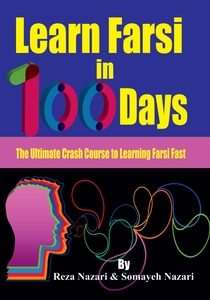
Serious about Persian? Get all 30 of our Persian learning books for $199.99 (55% less than buying them one by one).
Free Persian Starter Kit (PDF)
The Persian alphabet chart and the 101 most common Persian words with pronunciation, in one printable PDF. You also get a one-time 10% code for any of our books.
We will email you new lessons and book news from Learn Persian Online. Unsubscribe any time.Free Persian Starter Pack: Alphabet + 100 Core Words
Get the 14-page printable Starter Pack (all 32 letters, a 7-day reading plan, 100 core words and 20 survival phrases) and a short 5-email course. Free.
by: Learn Persian Online Team about (category: Blog)




What people say about "Good Job in Persian: 20 Ways to Say Well Done (and How to Reply)"?
No one replied yet.