Plural in Persian: -hâ, -ân, Arabic Plurals and Every Rule You Need

To make a noun plural in Persian, add ها (-hâ) to it: کتاب (ketâb, “book”) becomes کتابها (ketâbhâ, “books”). This works for almost every noun, and in everyday speech it is shortened to -â (ketâbâ). Formal Persian also uses ان (-ân) for people, as in دوستان (dustân, “friends”), plus some Arabic plurals.
That is the whole core rule, and it is good news: Persian has no gender, no irregular forms like “mice” or “children” in its own vocabulary, and one ending that you can put on nearly anything. The details below are what make your Persian sound right: when to use -ân, which Arabic plurals you will actually meet, why “two books” uses the singular, how plurals work with ezâfe and “my”, and how to spell ها correctly.
Persian plurals at a glance
| Ending | Example | Pronunciation | When to use |
|---|---|---|---|
| ها -hâ | کتابها | ketâbhâ (books) | Any noun: things, people, animals, ideas. The default, in speech and writing. |
| spoken -â | کتابا | ketâbâ (books) | Everyday speech after a consonant. Informal texting only. |
| ان -ân | دوستان | dustân (friends) | People (and some animals, trees and body parts) in formal or written Persian. |
| گان -gân | پرندگان | parandegân (birds) | -ân after a word ending in silent ه (-e). |
| یان -yân | آقایان | âghâyân (gentlemen) | -ân after a word ending in -â, -u or -i. |
| ات -ât | اطلاعات | ettelâ’ât (information) | Fixed words, mostly borrowed from Arabic. Learn as vocabulary. |
| ین -in | مسافرین | mosâferin (passengers) | Some Arabic-origin words for people, in formal use. |
| Arabic “broken” plural | کتب | kotob (books) | The word changes inside. Formal, academic and news Persian. |
If you only remember one line from this table, remember the first one. A noun with -hâ is never wrong; the other endings are about sounding formal or natural in specific contexts.
1. The main plural: -hâ (ها)
Add ها to the end of the noun. It works for objects, places, people, animals and abstract ideas alike.
| Persian | Pronunciation | English | Spoken form |
|---|---|---|---|
| کتابها | ketâbhâ | books | ketâbâ |
| ماشینها | mâshinhâ | cars | mâshinâ |
| روزها | ruzhâ | days | ruzâ |
| زنها | zanhâ | women | zanâ |
| مردها | mardhâ | men | mardâ |
| گربهها | gorbehâ | cats | gorbehâ |
| خانهها | khânehâ | houses | khunehâ |
| فکرها | fekrhâ | thoughts, ideas | fekrâ |
Listen: کتابها and ماشینها
Two pronunciation points help a lot. First, the stress moves onto the plural ending: ketâb-HÂ, not KE-tâbhâ. Second, in everyday speech the h drops after a consonant, so کتابها is said ketâbâ and دوستها is said dustâ. After a vowel the h usually stays: بچهها is bachchehâ, the word you will hear every time someone calls a group of kids or friends, “Bachchehâ, biâyin” (spoken: “Guys, come here”).
Example sentences with -hâ
| Persian | Pronunciation | English |
|---|---|---|
| بچهها در حیاط بازی میکنند. | bachchehâ dar hayât bâzi mikonand. Spoken: bachchehâ tu hayât bâzi mikonan. |
The children are playing in the yard. |
| کتابها روی میز هستند. | ketâbhâ ru-ye miz hastand. Spoken: ketâbâ ru-ye mizan. |
The books are on the table. |
| گلها خیلی قشنگ هستند. | golhâ kheyli ghashang hastand. Spoken: golâ kheyli ghashangan. |
The flowers are very beautiful. |
A bonus use: -hâ with time words
With words for times of day and periods of time, -hâ means “in the … (as a habit)” or “for …”. This is very common and most grammar pages skip it.
| Persian | Pronunciation | English | Example |
|---|---|---|---|
| صبحها | sobhhâ | in the mornings | صبحها قهوه میخورم. (sobhhâ ghahve mikhoram.) I drink coffee in the mornings. |
| شبها | shabhâ | at night, nights | شبها کتاب میخوانم. (shabhâ ketâb mikhânam.) I read at night. |
| سالها | sâlhâ | for years | سالها در تهران زندگی کرد. (sâlhâ dar Tehrân zendegi kard.) He lived in Tehran for years. |
Listen: شبها and سالها
2. The formal plural: -ân (ان), -gân and -yân
The ending ان (-ân) is older and more formal. You see it in books, news, speeches, signs and poetry, mostly with words for people. In conversation, Iranians usually use -hâ for the same words: you read دوستان (dustân) in a letter but say dustâ to your friends.
| Singular | -ân plural | Pronunciation | English |
|---|---|---|---|
| دوست (dust) | دوستان | dustân | friends |
| مرد (mard) | مردان | mardân | men |
| زن (zan) | زنان | zanân | women |
| دختر (dokhtar) | دختران | dokhtarân | girls, daughters |
| پسر (pesar) | پسران | pesarân | boys, sons |
| درخت (derakht) | درختان | derakhtân | trees |
| چشم (cheshm) | چشمان | cheshmân | eyes (literary) |
Listen: دوستان
Trees and paired body parts such as eyes and hands (دستان, dastân) take -ân in literary style even though they are not people. Ordinary objects do not: you would never write کتابان.
-gân after a silent -e
When a word ends in a silent ه (pronounced -e), the ه is dropped and گان (-gân) is added.
| Singular | Plural | Pronunciation | English |
|---|---|---|---|
| پرنده (parande) | پرندگان | parandegân | birds |
| ستاره (setâre) | ستارگان | setâregân | stars |
| نویسنده (nevisande) | نویسندگان | nevisandegân | writers |
| خواننده (khânande) | خوانندگان | khânandegân | singers; readers |
Listen: پرندگان
-yân after -â, -u and -i
After a word ending in a long vowel, a ی (y) is added before -ân so the two vowels do not collide.
| Singular | Plural | Pronunciation | English |
|---|---|---|---|
| آقا (âghâ) | آقایان | âghâyân | gentlemen |
| دانشجو (dâneshju) | دانشجویان | dâneshjuyân | university students |
| ایرانی (irâni) | ایرانیان | irâniyân | Iranians |
The phrase you will hear at the start of every event is خانمها و آقایان (khânomhâ va âghâyân), “ladies and gentlemen”. Notice it mixes both endings. In casual speech people often say آقایون (âghâyun) instead, because spoken Tehrani Persian often turns -ân into -un.
-ân can change the meaning
A few words mean something different with -ân. The clearest example is سر (sar, “head”): سرها (sarhâ) are heads, but سران (sarân) are leaders, as in سران کشورها (sarân-e keshvarhâ, “heads of state”). This is one more reason to default to -hâ unless you know the -ân word.
3. Arabic plurals in Persian: -ât, -in and broken plurals
Persian has borrowed thousands of words from Arabic, and some of them came with their Arabic plurals. You do not need to learn Arabic rules to handle them. Two facts make this easy: you can almost always use -hâ in conversation instead, and a small number of these plurals are so common that they are simply the normal word. Learn those as vocabulary. (For more on how the two languages relate, see Farsi vs Arabic.)
The -ât ending (ات) and -jât
| Persian | Pronunciation | English | Notes |
|---|---|---|---|
| اطلاعات | ettelâ’ât | information | The everyday word; singular اطلاع (ettelâ’) |
| انتخابات | entekhâbât | elections | Used for “election” too |
| امکانات | emkânât | facilities, amenities | Hotels, apartments, schools |
| تحقیقات | tahghighât | research | Formal and academic |
| حیوانات | heyvânât | animals | Also حیوانها (heyvânhâ) |
| سبزیجات | sabzijât | vegetables | -jât on a Persian word |
| میوهجات | mivejât | fruits (various) | Common in shops; میوهها also fine |
Listen: اطلاعات
The -in ending (ین)
Some Arabic-origin words for people take -in, especially in announcements and formal speech. Many writers prefer the Persian -ân for the same words, and -hâ is fine in conversation.
| Persian | Pronunciation | English | Alternatives |
|---|---|---|---|
| مسافرین | mosâferin | passengers | مسافران (mosâferân), مسافرها (mosâferhâ) |
| حاضرین | hâzerin | those present, the audience | حاضران (hâzerân) |
| معلمین | mo’allemin | teachers | معلمان (mo’allemân), معلمها (mo’allemhâ) |
Broken plurals: the word changes inside
Arabic “broken” plurals change the vowels and shape of the word instead of adding an ending, a bit like English “man, men” or “foot, feet”. There are patterns, but for a Persian learner it is far more useful to learn the common ones as pairs. These are the ones you will genuinely meet in newspapers, signs, forms and the news:
| Singular | Broken plural | Pronunciation | English | Everyday alternative |
|---|---|---|---|---|
| کتاب (ketâb) | کتب | kotob | books | کتابها (ketâbhâ) |
| شخص (shakhs) | اشخاص | ashkhâs | persons | آدمها (âdamhâ, “people”) |
| فرد (fard) | افراد | afrâd | individuals, people | used in speech too |
| خبر (khabar) | اخبار | akhbâr | news | خبرها (khabarhâ) |
| هدف (hadaf) | اهداف | ahdâf | goals | هدفها (hadafhâ) |
| شعر (she’r) | اشعار | ash’âr | poems | شعرها (she’rhâ) |
| فکر (fekr) | افکار | afkâr | thoughts, ideas | فکرها (fekrhâ) |
| عضو (ozv) | اعضا | a’zâ | members | عضوها (ozvhâ) |
| اثر (asar) | آثار | âsâr | works (of art); effects | used in speech too |
| علم (elm) | علوم | olum | sciences | fixed in school subjects |
| مرکز (markaz) | مراکز | marâkez | centers | مرکزها (markazhâ) |
| مدرسه (madrese) | مدارس | madâres | schools | مدرسهها (madresehâ) |
| مورد (mored) | موارد | mavâred | cases, items | موردها is rare; موارد is normal |
| قانون (ghânun) | قوانین | ghavânin | laws, rules | قانونها (ghânunhâ) |
| ملت (mellat) | ملل | melal | nations | as in سازمان ملل (sâzmân-e melal, the UN) |
| وقت (vaght) | اوقات | owghât | times | as in اوقات فراغت (owghât-e farâghat, free time) |
Listen: اخبار and افراد
A practical rule for speaking: if you are not sure whether a word has an Arabic plural, use -hâ. Iranians do the same in conversation, and you will sound natural. Recognize the broken plurals when you read; produce them only when you have seen them used.
Flashcards: singular to plural (tap to flip)
formal: kotob (کتب)
formal: dustân (دوستان)
formal: parandegân (پرندگان)
spoken: âghâyun
also khabarhâ
persons (formal)
spoken: khunehâ
information
4. No plural after numbers
This is the rule English speakers break most often. After a number, the noun stays singular: “two book”, not “two books”.
| Persian | Pronunciation | English | Wrong |
|---|---|---|---|
| دو کتاب | do ketâb | two books | دو کتابها |
| سه دوست | se dust | three friends | سه دوستان |
| پنج روز | panj ruz | five days | پنج روزها |
| چند سال | chand sâl | a few years; how many years? | چند سالها |
Listen: دو کتاب
In speech, Iranians usually put the counter تا (tâ) between the number and the noun: دو تا کتاب (do tâ ketâb), سه تا چای (se tâ chây, “three teas”). For people, the formal counter is نفر (nafar): سه نفر منتظر شما هستند. (se nafar montazer-e shomâ hastand, “Three people are waiting for you.”) In both cases the noun is still singular. For the numbers themselves, see Persian numbers 1 to 1,000.
The same goes for هر (har, “every”): هر روز (har ruz, “every day”). With همه (hame, “all”) you do use the plural: همهی کتابها (hame-ye ketâbhâ, “all the books”).
When English uses a plural but Persian does not
Persian also uses the singular for general statements, where English uses a plural. من کتاب دوست دارم. (man ketâb dust dâram) means “I like books” in general. بچه دارید؟ (bachche dârid?) means “Do you have children?” Adding -hâ makes the noun specific: کتابها را دوست دارم (ketâbhâ râ dust dâram) is “I like the books” (these particular ones).
Which plural fits your situation?
Use -hâ, pronounced -â after consonants: dustâ, ketâbâ, mâshinâ. Say bachchehâ for “guys” or “kids”. Even words that have -ân or Arabic plurals in writing usually take -hâ in speech.
Write ها with a half-space (کتابها). Use -ân for people if you want a more polished tone (دوستان, دانشجویان), and use the common Arabic plurals that are standard in writing, such as اطلاعات, افراد, موارد.
Expect broken plurals and -ât: اخبار (akhbâr), انتخابات (entekhâbât), اشخاص (ashkhâs), مراکز (marâkez), قوانین (ghavânin). If you see an unfamiliar word shaped like اشخاص (ashkhâs) or مراکز (marâkez), it may be a broken plural: look up the singular in the online Persian dictionary.
Keep the noun singular after any number: دو کتاب (do ketâb). In speech add tâ: do tâ ketâb. For people, nafar: se nafar.
5. Plurals with ezâfe, adjectives and “my”
Plural + adjective
Adjectives never become plural in Persian. The plural ending goes on the noun, then the ezâfe connector links the adjective. After ها the ezâfe is written with ی and pronounced -ye; after -ân it is an unwritten -e.
| Persian | Pronunciation | English |
|---|---|---|
| کتابهای خوب | ketâbhâ-ye khub | good books |
| خانههای قدیمی | khânehâ-ye ghadimi | old houses |
| دوستان خوب | dustân-e khub | good friends |
| کتابهای جدید را خریدم. | ketâbhâ-ye jadid râ kharidam. Spoken: ketâbâ-ye jadid-o kharidam. |
I bought the new books. |
Listen: کتابهای خوب
Never write کتابها خوبها for “good books”: only the noun takes the plural. For the full ezâfe rules, see Ezafe in Persian, and for adjective order, how to use Persian adjectives correctly. An adjective can take -hâ only when it is used as a noun: بزرگترها (bozorgtarhâ, “the elders”).
Plural + possessive endings (“my books”)
Add the possessive ending after the plural. In writing, a ی joins them; in speech the ending sits right on -â.
| English | Written | Pronunciation | Spoken |
|---|---|---|---|
| my books | کتابهایم | ketâbhâyam | ketâbâm |
| your books (informal) | کتابهایت | ketâbhâyat | ketâbât |
| his/her books | کتابهایش | ketâbhâyash | ketâbâsh |
| our books | کتابهایمان | ketâbhâyemân | ketâbâmun |
| your books (plural/polite) | کتابهایتان | ketâbhâyetân | ketâbâtun |
| their books | کتابهایشان | ketâbhâyeshân | ketâbâshun |
With -ân it is simpler: دوستانم (dustânam, “my friends”). دوستانم دیروز آمدند. (dustânam diruz âmadand; spoken: dustâm diruz umadan) means “My friends came yesterday.” More on these endings in Grammar Lesson 25: Possessive Pronouns.
Plural + râ and the indefinite -i
The object marker را (râ, spoken ro or o) comes after the plural: کتابها را (ketâbhâ râ), spoken ketâbâ ro. See when to use را. Adding -i after the plural gives “some …” or “the … that”: کتابهایی که خریدم (ketâbhâyi ke kharidam, “the books that I bought”).
Try it: make these plural
Say each one out loud in written and spoken style first, then check: 1. ketâb-e man (my book) 2. mâshin-e ghermez (red car) 3. do dust (two friends) 4. setâre (star, formal).
1. کتابهایم or کتابهای من (ketâbhâyam, ketâbhâ-ye man; spoken ketâbâm). 2. ماشینهای قرمز (mâshinhâ-ye ghermez; spoken mâshinâ-ye ghermez). 3. No change: دو دوست (do dust), or spoken do tâ dust. 4. ستارگان (setâregân); everyday ستارهها (setârehâ).
6. Verb agreement: plural subject, singular verb?
With people, the verb is always plural: بچهها آمدند. (bachchehâ âmadand, “The children came.”) With things, Persian often uses a singular verb, especially in formal writing: این میزها بزرگ است. (in mizhâ bozorg ast, “These tables are big.”) A plural verb with things is also used, so as a learner you can choose either; with people, choose the plural.
The opposite also happens: a plural verb for one person, to show respect. پدرم آمدند. (pedaram âmadand) literally “my father came (plural)” is a polite way to speak about a parent or elder. It is the same politeness as using شما (shomâ) for one person. And مردم (mardom, “people”) looks singular but usually takes a plural verb: مردم آمدند (mardom âmadand).
7. Spelling ها: the half-space rule
In modern Persian, ها is written as a separate piece but without a full space, using a zero-width non-joiner (in Persian, نیمفاصله, nim-fâsele, “half-space”).
- After a letter that joins to the left, use the half-space: کتابها, ماشینها, گربهها. The older joined spelling کتابها is still readable and you will see it, but the half-space is the modern standard.
- After a word ending in silent ه, the half-space is required. Joining it would turn ه into a middle letter and make a different-looking word: write خانهها, never خانهها.
- After the letters that never join to the left (ا د ذ ر ز ژ و), just type ها straight after: روزها, مردها, کارها, آقاها.
- Do not put a full space before ها (کتاب ها). It is a common habit online but looks careless in formal writing.
- -ân, -gân, -yân, -ât and -in are always joined: دوستان, پرندگان, اطلاعات.
On most Persian keyboard layouts the half-space is Shift+Space. Practice with our online Persian keyboard.
8. Spoken plural tricks you will hear
- -â instead of -hâ: ketâbâ, mardâ, zanâ. In informal texting people even write it that way: کتابا.
- -un instead of -ân: آقایون (âghâyun), as in “khânomâ, âghâyun”.
- “… and family” with اینا (inâ): خونهی علی اینا (khune-ye Ali inâ) means “Ali and his family’s house”. It comes from اینها (inhâ, “these”), spoken inâ.
- Calling a group: بچهها (bachchehâ) for “guys”, دوستان (dustân) when addressing an audience politely, “Dear friends”.
Practice: choose the right form
“I have two brothers.” من دو دارم.After a number the noun stays singular: do barâdar dâram.
“Ladies and gentlemen” at a formal event: خانمها و khânomhâ va âghâyân: -yân after a word ending in -â.
“These houses are old.” این قدیمی هستند.After silent ه, write ها with a half-space: khânehâ.
“Birds” in a formal text, from پرنده: Silent ه drops and -gân is added, joined: parandegân.
“I read at night.” کتاب میخوانم.shabhâ, -hâ on a time word: “at night, as a habit”.
“Good books”: کتابهای Adjectives do not take the plural: ketâbhâ-ye khub.
“My books” in everyday speech: ketâbâm = my books (spoken). ketâbam = my book.
“Persons” (formal), from شخص: ashkhâs is the broken plural of shakhs.
Where to practice next
Plurals come up in every lesson, so the best practice is reading and speaking. Work through Grammar Lesson 29: plural nouns with ها and ان for drills, then see them in a dialogue in Speak Persian Fast Lesson 18. When you are ready, test yourself with the Persian grammar quiz. If you like learning grammar from a book with exercises, plurals, ezâfe and possessives are all covered in Farsi Grammar in Use: For Beginners.
Quick quiz: plural in Persian
1. What is the everyday plural of کتاب (ketâb)?
- کتب (kotob)
- کتابها (ketâbhâ)
- کتابان (ketâbân)
- کتابات (ketâbât)
Why
-hâ is the default plural for any noun. kotob is a formal Arabic plural.
2. How do you say “three friends”?
- سه دوستان
- سه دوستها
- سه دوست
- دوستان سه
Why
After a number the noun stays singular: se dust (spoken se tâ dust).
3. In everyday speech, ketâbhâ is usually pronounced:
- ketâbâ
- ketâbun
- kotob
- ketâbi
Why
The h of -hâ drops after a consonant in speech.
4. Which word is the formal plural of ستاره (setâre, star)?
- ستارهان
- ستارین
- ستارهگان
- ستارگان
Why
Silent ه drops and -gân is added, written joined: setâregân.
5. How do you say “new books” correctly?
- کتابها جدیدها
- کتابهای جدید
- کتاب جدیدها
- جدید کتابها
Why
Only the noun is plural; the ezâfe -ye links the adjective: ketâbhâ-ye jadid.
6. اخبار (akhbâr) is the plural of:
- اخبر
- خبرنگار
- خبر (khabar)
- بار (bâr)
Why
akhbâr is the Arabic broken plural of khabar, “news”.
7. What does سالها (sâlhâ) mean in “sâlhâ dar Tehrân zendegi kard”?
- for years
- two years
- every year
- next year
Why
-hâ on a time word gives “for years” or a habit, like shabhâ (at night).
8. Which spelling of “houses” is correct?
- خانهها
- خانهها
- خانگان
- خانات
Why
After silent ه, ها must be separated with a half-space.
Common questions
How do you make a word plural in Persian?
Add ها (-hâ) to the noun: کتاب (ketâb) becomes کتابها (ketâbhâ). This works for almost every noun and is always correct. In speech it is usually -â (ketâbâ). Formal Persian also uses -ân for people (دوستان, dustân) and some Arabic plurals.
What is the difference between -hâ and -ân in Persian?
-hâ is the general, everyday plural for any noun. -ân is more formal and literary, used mainly for people (mardân, zanân, dustân), plus trees and some body parts. In conversation people usually say -hâ even for those words.
Do Persian nouns become plural after numbers?
No. After a number the noun stays singular: دو کتاب (do ketâb, “two books”), سه روز (se ruz, “three days”). In speech the counter tâ is usually added (do tâ ketâb), and nafar is used for people (se nafar).
What is the plural of ketâb in Persian?
The everyday plural is کتابها (ketâbhâ), spoken ketâbâ. The Arabic plural کتب (kotob) exists but is formal and appears mostly in academic or religious writing and fixed phrases.
Is ها written with a space?
It is written with a half-space (zero-width non-joiner), not a full space: کتابها. After letters that do not join to the left, such as ر or د, it simply follows the word: روزها. After silent ه the half-space is required: خانهها.
Do adjectives agree with plural nouns in Persian?
No. Persian adjectives never change for plural or gender. Only the noun takes the plural, linked to the adjective with ezâfe: کتابهای خوب (ketâbhâ-ye khub, “good books”).
Learn Persian with our bestseller
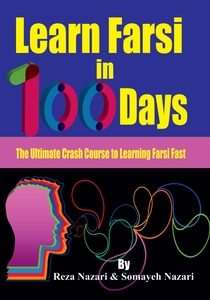
Serious about Persian? Get all 30 of our Persian learning books for $199.99 (55% less than buying them one by one).
Free Persian Starter Kit (PDF)
The Persian alphabet chart and the 101 most common Persian words with pronunciation, in one printable PDF. You also get a one-time 15% code for any of our books.
We will email you new lessons and book news from Learn Persian Online. Unsubscribe any time.Free Persian Starter Pack: Alphabet + 100 Core Words
Get the 14-page printable Starter Pack (all 32 letters, a 7-day reading plan, 100 core words and 20 survival phrases) and a short 5-email course. Free.
by: Learn Persian Online Team about (category: Blog)




What people say about "Plural in Persian: -hâ, -ân, Arabic Plurals and Every Rule You Need"?
No one replied yet.