Happy Birthday in Persian: Wishes, Card Messages and the Birthday Song

To say happy birthday in Persian, say تولدت مبارک (tavallodet mobârak), literally “your birth is blessed.” This is the form for friends, family and children. For someone you address politely, say تولدتون مبارک (tavallodetun mobârak) in speech, or write تولدتان مبارک (tavallodetân mobârak). A favorite wish to add is صد سال به این سالها (sad sâl be in sâl-hâ).
Below you will find all the ways to say it, short wishes and full card messages for different people, how to reply when someone wishes you a happy birthday, the Persian birthday song, how to talk about your age, and how birthdays work with the Persian calendar. Every phrase has pronunciation and a note on when to use it.
Happy birthday in Persian: the main forms
تولد (tavallod) means “birth” and also “birthday,” and مبارک (mobârak) means “blessed” or “congratulations.” The small ending in the middle tells you who you are talking to. See our vocabulary page on tavallod (تولد), the Persian word for birth and birthday for more examples.
| Persian | Pronunciation | English | When to use |
|---|---|---|---|
| تولدت مبارک | tavallodet mobârak | happy birthday (to you) | Friends, family, children, partners; spoken and written |
| تولدتون مبارک | tavallodetun mobârak | happy birthday | Spoken, polite: elders, teachers, colleagues |
| تولدتان مبارک | tavallodetân mobârak | happy birthday | Written, polite: cards, emails, social media |
| تولدتان مبارک باد | tavallodetân mobârak bâd | may your birthday be blessed | Formal written; cards to elders or in public messages |
| زادروزت خجسته باد | zâdruzet khojaste bâd | happy birthday (lit. “may your birth day be auspicious”) | Literary, uses purely Persian words; poems and elegant cards |
| تولد … مبارک | tavallod-e … mobârak | happy birthday, [name] | With a name: تولد مریم مبارک (tavallod-e Maryam mobârak) |
تولدت مبارک (tavallodet mobârak) is by far the most common. The -et ending means “your” for the familiar you (تو, to). The polite spoken form تولدتون مبارک (tavallodetun mobârak) uses -etun, and the written form uses -etân. If you are not sure whether to use the familiar or polite form, our lesson on polite Persian: shomâ instead of to will help you decide.
You can make it warmer with a term of endearment:
- تولدت مبارک عزیزم (tavallodet mobârak azizam): happy birthday, my dear
- تولدت مبارک رفیق (tavallodet mobârak rafigh): happy birthday, buddy (spoken, between friends)
- مامان عزیزم، تولدت مبارک (mâmân-e azizam, tavallodet mobârak): happy birthday, dear Mom
Birthday wishes in Persian
After “happy birthday,” Iranians usually add a wish. These are the ones you will hear and read most.
| Persian | Pronunciation | English | When to use |
|---|---|---|---|
| صد سال به این سالها | sad sâl be in sâl-hâ | may you have a hundred more years like this | The classic birthday wish; anyone |
| ایشالا صد ساله بشی | ishâllâ sad sâle beshi | hope you live to a hundred | Spoken, warm; friends and family |
| امیدوارم همیشه شاد باشی | omidvâram hamishe shâd bâshi | I hope you’re always happy | Friends and family |
| امیدوارم سال خوبی داشته باشی | omidvâram sâl-e khubi dâshte bâshi | I hope you have a great year | Friends and family |
| امیدوارم به همهی آرزوهات برسی | omidvâram be hame-ye ârezuhât beresi | I hope all your wishes come true | Spoken, friends and family |
| همیشه سالم و شاد باشید | hamishe sâlem o shâd bâshid | may you always be healthy and happy | Polite; elders, colleagues |
| سالی پر از موفقیت برایتان آرزو میکنم | sâli por az movaffaghiyat barâyetân ârezu mikonam | I wish you a year full of success | Written, polite; colleagues, clients |
صد سال به این سالها (sad sâl be in sâl-hâ) literally means “a hundred years to these years,” a wish for a long life with many more birthdays. You can use it alone or after tavallodet mobârak. The spoken ایشالا صد ساله بشی (ishâllâ sad sâle beshi) has the same meaning; ishâllâ is the everyday pronunciation of انشاءالله (enshâallâh), “God willing,” and many people write the short form in texts. If you prefer a wish with no religious word, use امیدوارم (omidvâram, “I hope”) instead.
Birthday card and text messages
Here are complete messages you can copy into a card or a text. Spoken-style messages are normal in texts and social media between friends; use the written style in cards for elders and colleagues. Our free online Persian keyboard lets you type them if you do not have a Persian layout installed.
For a friend (spoken style)
تولدت مبارک عزیزم. امیدوارم امسال بهترین سال زندگیت باشه.
(tavallodet mobârak azizam. omidvâram emsâl behtarin sâl-e zendegit bâshe.)
Happy birthday, dear. I hope this year is the best year of your life.
For a partner
تولدت مبارک عشقم. خیلی دوستت دارم.
(tavallodet mobârak eshgham. kheyli dustet dâram.)
Happy birthday, my love. I love you so much.
For a parent
مامان عزیزم، تولدت مبارک. صد سال به این سالها.
(mâmân-e azizam, tavallodet mobârak. sad sâl be in sâl-hâ.)
Dear Mom, happy birthday. Many happy returns.
For a colleague or teacher (written, polite)
تولدتان مبارک. برایتان سالی پر از سلامتی و موفقیت آرزو میکنم.
(tavallodetân mobârak. barâyetân sâli por az salâmati va movaffaghiyat ârezu mikonam.)
Happy birthday. I wish you a year full of health and success.
For a child
تولدت مبارک گلم. چند ساله شدی؟
(tavallodet mobârak golam. chand sâle shodi?)
Happy birthday, sweetie. How old are you now?
گلم (golam), “my flower,” is a very common affectionate word for children and loved ones.
Who is the birthday person?
تولدت مبارک. صد سال به این سالها (tavallodet mobârak. sad sâl be in sâl-hâ). In a text you can add امیدوارم به همهی آرزوهات برسی (omidvâram be hame-ye ârezuhât beresi).
Use the polite form: تولدتون مبارک (tavallodetun mobârak) in person, or in writing تولدتان مبارک. سالی پر از موفقیت برایتان آرزو میکنم.
Be warm and respectful: تولدتون مبارک. همیشه سالم و شاد باشید (tavallodetun mobârak. hamishe sâlem o shâd bâshid).
Keep it simple and sweet: تولدت مبارک گلم (tavallodet mobârak golam). Then ask چند ساله شدی؟ (chand sâle shodi?), “how old are you now?”
How to reply to “happy birthday” in Persian
When someone wishes you a happy birthday, thank them. These replies are all common.
| Persian | Pronunciation | English | When to use |
|---|---|---|---|
| مرسی / ممنون | mersi / mamnun | thanks | Anyone |
| مرسی عزیزم | mersi azizam | thanks, dear | Friends and family |
| مرسی که یادت بود | mersi ke yâdet bud | thanks for remembering | Spoken, friends |
| لطف داری / لطف دارید | lotf dâri / lotf dârid | you’re kind | Friendly / polite |
| خیلی ممنون، زحمت کشیدید | kheyli mamnun, zahmat keshidid | thank you so much, you shouldn’t have | Polite; when you receive a gift |
When a guest hands you a gift, they will often say قابلی نداره (ghâbeli nadâre), “it’s nothing (worthy of you).” That is polite modesty; answer with خیلی ممنون، زحمت کشیدی (kheyli mamnun, zahmat keshidi). For more replies like these, see our post on taarof and Persian politeness.
Flashcards: tap to flip
happy birthday (friendly)
happy birthday (polite, spoken)
many happy returns
birthday party
birthday cake
present (spoken)
candle
make a wish
Birthday party words
Birthdays in Iran are usually celebrated with family and friends at home or in a cafe or restaurant, with a cake, candles and presents. These are the words you will need.
| Persian | Pronunciation | English | Note |
|---|---|---|---|
| جشن تولد | jashn-e tavallod | birthday party | Spoken also تولد alone: “I’m going to a birthday” |
| مهمونی | mehmuni | party, gathering | Spoken; written مهمانی (mehmâni) |
| کیک تولد | keyk-e tavallod | birthday cake | |
| شمع | sham’ | candle | |
| کادو | kâdo | present, gift | Spoken; from French |
| هدیه | hedye | gift | More formal |
| بادکنک | bâdkonak | balloon | |
| کارت تبریک | kârt-e tabrik | greeting card | |
| تبریک گفتن | tabrik goftan | to congratulate | تبریک میگم (tabrik migam), “congratulations” (spoken) |
| سالگرد | sâlgard | anniversary | سالگرد ازدواج (sâlgard-e ezdevâj), wedding anniversary |
At the cake, people say آرزو کن (ârezu kon) , “make a wish,” and then شمعها رو فوت کن (sham’-hâ ro fut kon) , “blow out the candles” (spoken). Inviting someone? Say جمعه جشن تولدمه، حتما بیا (jom’e jashn-e tavallodame, hatman biâ), “My birthday party is on Friday, be sure to come.” For a full lesson with dialogue, see Learn Farsi in 100 Days, Day 91: Birthday Party, and for presents, Day 58: To Give a Gift.
The Persian birthday song
Iranians sing a Persian birthday song when the cake comes out, usually with clapping. Its best-known line, which everyone joins in on, is:
تولد تولد تولدت مبارک
(tavallod tavallod tavallodet mobârak)
Birthday, birthday, happy birthday to you.
Many families also sing the English “Happy Birthday to You,” sometimes right after the Persian song. If you learn only one line, learn this one, and you will be able to join in at an Iranian birthday.
Try it: write a birthday text to your Iranian friend Sara
Wish her a happy birthday, add “many happy returns,” and hope her wishes come true. Say it or write it first, then check.
سارا جان، تولدت مبارک. صد سال به این سالها. امیدوارم به همهی آرزوهات برسی.
(Sârâ jân, tavallodet mobârak. sad sâl be in sâl-hâ. omidvâram be hame-ye ârezuhât beresi.)
Adding جان (jân, “dear”) after a name is a very common, warm touch.
Talking about age on your birthday
Birthdays bring age questions. Here are the essentials, in spoken and written form.
| Persian | Pronunciation | English | Register |
|---|---|---|---|
| چند سالته؟ | chand sâlete? | how old are you? | Spoken, friendly |
| چند سالتونه؟ | chand sâletune? | how old are you? | Spoken, polite |
| چند سال دارید؟ | chand sâl dârid? | how old are you? | Written, polite |
| سی سالمه | si sâlame | I’m thirty | Spoken |
| سی سال دارم | si sâl dâram | I’m thirty (lit. “I have thirty years”) | Standard |
| امروز سی ساله شدم | emruz si sâle shodam | I turned thirty today | Standard |
| چند ساله شدی؟ | chand sâle shodi? | how old did you turn? | Spoken, friendly |
Persian uses “have” for age: سی سال دارم (si sâl dâram) , “I have thirty years.” Useful round numbers: بیست (bist, 20), سی (si, 30), چهل (chehel, 40), پنجاه (panjâh, 50), شصت (shast, 60). For all the numbers, see Persian numbers 1 to 1,000, test yourself with the Persian numbers quiz, and practice age questions in Speak Persian Fast, Lesson 8: How old are you?
Asking an adult’s age directly can be a little personal, as in English. With children it is completely normal and expected.
Birthdays and the Persian calendar
Iran officially uses the Persian solar calendar (Solar Hijri), whose year begins at Nowruz in March. Iranian ID documents give the birth date in this calendar, and many Iranians think of their birthday as a Persian date, such as the 10th of Mehr, rather than a Western one.
- تولدت کیه؟ (tavallodet keye?): when is your birthday? (spoken)
- تولدم دهم مهره (tavallodam dahom-e mehre): my birthday is the 10th of Mehr (spoken)
- متولد چه سالی هستی؟ (motevalled-e che sâli hasti?): what year were you born?
The twelve months are فروردین (Farvardin), اردیبهشت (Ordibehesht), خرداد (Khordâd), تیر (Tir), مرداد (Mordâd), شهریور (Shahrivar), مهر (Mehr), آبان (Âbân), آذر (Âzar), دی (Dey), بهمن (Bahman) and اسفند (Esfand). Because leap years fall differently in the two calendars, a Persian date can land one day earlier or later on the Western calendar from year to year. To find your own Persian birthday, use our Persian date converter, and read more in Persian calendar: days, months and Nowruz.
You will also hear Iranians describe their generation by Persian decade: a دهه شصتی (dahe shasti) is someone born in the 1360s, roughly 1981 to 1991.
Practice: choose the right word
To your best friend: مبارکتولدت (tavallodet) is the friendly “your birthday.”
To your teacher, in speech: تولدتون تولدتون مبارک (tavallodetun mobârak) is the polite spoken form.
The classic wish: صد سال به این صد سال به این سالها (sad sâl be in sâl-hâ): a hundred more years like these.
At the cake: شمعها رو فوت کن (fut kon) = blow (out).
“I’m thirty”: سی سال Persian uses داشتن (to have) for age: سی سال دارم.
“Thanks for remembering”: مرسی که مرسی که یادت بود (mersi ke yâdet bud).
If you want ready-made phrases for many other celebrations and everyday moments, 1000 Most Common Farsi Phrases collects them by situation.
Quick quiz: happy birthday in Persian
1. What is the most common way to say “happy birthday” to a friend?
- تولدت مبارک (tavallodet mobârak)
- تولدتان مبارک باد (tavallodetân mobârak bâd)
- آرزو کن (ârezu kon)
- خسته نباشید (khaste nabâshid)
Why
تولدت مبارک uses the friendly -et ending; the second option is formal written.
2. Which form is polite and spoken, for a teacher or colleague?
- تولدت مبارک
- تولدم مبارک
- تولدتون مبارک
- زادروزت خجسته باد
Why
The -etun ending is the polite spoken “your.”
3. What does صد سال به این سالها (sad sâl be in sâl-hâ) wish someone?
- A happy new year
- A hundred more years like these
- A big cake
- A safe trip
Why
It is a wish for a long life and many more birthdays.
4. Which word is the everyday spoken word for “present”?
- شمع (sham’)
- جشن (jashn)
- سالگرد (sâlgard)
- کادو (kâdo)
Why
کادو is the spoken word; هدیه (hedye) is more formal.
5. How do you say “I’m thirty” in standard Persian?
- سی سال دارم
- سی سال هستم
- سی سالتونه
- سی ساله شدی
Why
Persian uses “have” for age: سی سال دارم (si sâl dâram).
6. Which line is the well-known chorus of the Persian birthday song?
- صد سال به این سالها
- آرزو کن
- تولد تولد تولدت مبارک
- تولدتان مبارک باد
Why
تولد تولد تولدت مبارک is the line everyone sings.
7. A friend wishes you a happy birthday. A good reply is:
- تولدت مبارک
- مرسی که یادت بود
- قابلی نداره
- نوش جان
Why
مرسی که یادت بود means “thanks for remembering.”
8. In which calendar are birth dates given on Iranian ID documents?
- The lunar Islamic calendar
- The Chinese calendar
- Only the Western calendar
- The Persian solar calendar
Why
Iran officially uses the Persian solar (Solar Hijri) calendar.
Common questions
How do you say happy birthday in Farsi?
Say تولدت مبارک (tavallodet mobârak) to a friend or family member. To someone you address politely, say تولدتون مبارک (tavallodetun mobârak), or write تولدتان مبارک (tavallodetân mobârak). Farsi and Persian are the same language.
How do you pronounce tavallodet mobarak?
Say ta-val-LOD-et mo-baa-RAK. The double l is held slightly longer, and the â in mobârak is a long “aa” as in “father.” The stress falls on the last syllable of each word itself (tavallod, mobârak); the ending -et (“your”) is not stressed.
What does “sad sal be in salha” mean?
صد سال به این سالها (sad sâl be in sâl-hâ) means “a hundred years to these years.” It wishes the birthday person a long life with many more birthdays, much like “many happy returns.”
How do you say “happy birthday, my love” in Persian?
Say تولدت مبارک عشقم (tavallodet mobârak eshgham) or تولدت مبارک عزیزم (tavallodet mobârak azizam), “happy birthday, my dear.”
How do you reply to happy birthday in Persian?
Say مرسی (mersi) or ممنون (mamnun), “thanks.” Warmer replies are مرسی عزیزم (mersi azizam) and مرسی که یادت بود (mersi ke yâdet bud), “thanks for remembering.”
Is there a Persian happy birthday song?
Yes. Iranians sing a Persian birthday song whose chorus is تولد تولد تولدت مبارک (tavallod tavallod tavallodet mobârak), and many families also sing the English “Happy Birthday to You.”
Learn Persian with our bestseller
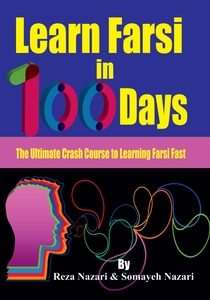
Serious about Persian? Get all 30 of our Persian learning books for $199.99 (55% less than buying them one by one).
Free Persian Starter Kit (PDF)
The Persian alphabet chart and the 101 most common Persian words with pronunciation, in one printable PDF. You also get a one-time 15% code for any of our books.
We will email you new lessons and book news from Learn Persian Online. Unsubscribe any time.Free Persian Starter Pack: Alphabet + 100 Core Words
Get the 14-page printable Starter Pack (all 32 letters, a 7-day reading plan, 100 core words and 20 survival phrases) and a short 5-email course. Free.
by: Learn Persian Online Team about (category: Blog)




What people say about "Happy Birthday in Persian: Wishes, Card Messages and the Birthday Song"?
No one replied yet.