Sorry in Persian: How to Apologize, Say Excuse Me and Reply

The most common way to say sorry in Persian is ببخشید (bebakhshid), which literally means “forgive (me)” and also works as “excuse me”. For a fuller apology say معذرت میخوام (ma’zerat mikhâm, I apologize), and for regret or sympathy say متأسفم (mota’assefam, I’m sorry). Here is when to use each, plus excuse me, please and how to reply.
English uses “sorry” for almost everything: bumping into someone, being late, hearing bad news, not catching a word. Persian splits these jobs between different phrases, and Iranians notice when a learner picks the right one. The good news: ببخشید alone covers most daily situations, so start there and add the others as you go.
The main ways to say sorry in Persian
| Persian | Pronunciation | English | When to use |
|---|---|---|---|
| ببخشید | bebakhshid | sorry; excuse me (lit. forgive) | Everyday, polite, with anyone. Small mistakes, getting attention, passing someone. |
| ببخش | bebakhsh | sorry (informal) | To a friend, sibling or child you address as تو (to). |
| معذرت میخوام | ma’zerat mikhâm | I apologize (spoken) | A real apology for something that bothered or hurt someone. |
| معذرت میخواهم | ma’zerat mikhâham | I apologize (written, formal) | Formal speech, emails, letters. |
| عذر میخوام | ozr mikhâm | I beg your pardon, I apologize | Polite and slightly formal; common with elders and customers. |
| متأسفم | mota’assefam | I’m sorry, I regret | Regret, bad news, sympathy. Not for bumping into someone. |
| شرمندهام | sharmande-am | I’m embarrassed, I feel bad | When you let someone down or they do you a big favor. Often just شرمنده (sharmande). |
| عذرخواهی میکنم | ozrkhâhi mikonam | I apologize | Formal, often in announcements and official speech. |
| پوزش میخواهم | puzesh mikhâham | I apologize (very formal) | Mostly written: notices, letters, official messages. |
ببخشید (bebakhshid): your everyday sorry and excuse me
ببخشید comes from the verb bakhshidan, to forgive. It is polite enough for a minister and casual enough for a friend, which is why you will hear it dozens of times a day in Iran. Use it to:
- apologize for small things: ببخشید، دیر کردم. (bebakhshid, dir kardam.) Sorry, I’m late.
- get attention: ببخشید آقا… (bebakhshid âghâ…) Excuse me, sir… / ببخشید خانم… (bebakhshid khânom…) Excuse me, ma’am…
- ask someone to repeat: ببخشید، متوجه نشدم. (bebakhshid, motavajjeh nashodam.) Sorry, I didn’t understand.
- apologize for disturbing: ببخشید مزاحم شدم. (bebakhshid mozâhem shodam.) Sorry to bother you. This is very common on the phone.
With a close friend you can use the informal ببخش (bebakhsh), but ببخشید is never wrong.
معذرت میخوام (ma’zerat mikhâm): a real apology
When you did something that actually caused a problem, ببخشید can sound too light. Use معذرت میخوام (ma’zerat mikhâm), I apologize. In writing and formal speech, the full form is معذرت میخواهم (ma’zerat mikhâham). Add خیلی (kheyli, very) or واقعاً (vâghe’an, really) to make it stronger:
واقعاً معذرت میخوام. (vâghe’an ma’zerat mikhâm.) I’m really sorry.
The related formal verb is عذرخواهی کردن (ozrkhâhi kardan, to apologize); see the verb ozrkhâhi kardan for its conjugation.
متأسفم (mota’assefam): sorry as regret and sympathy
متأسفم (mota’assefam) means “I regret” or “I’m sorry (that this happened)”. It is the right word when you hear bad news, when you have to refuse something, or when you regret an action:
- خیلی متأسف شدم. (kheyli mota’assef shodam.) I was so sorry (to hear that).
- متأسفم، نمیتونم بیام. (mota’assefam, nemitunam biyâm.) I’m sorry, I can’t come.
Do not use متأسفم when you step on someone’s foot; that is a ببخشید moment. When someone has died, Iranians say تسلیت میگم (tasliyat migam, my condolences) rather than only “I’m sorry”. The verb behind this word is ta’assof khordan, to regret.
شرمنده (sharmande): the very Iranian sorry
شرمندهام (sharmande-am) literally means “I am ashamed”, but in daily speech شرمنده (sharmande) is a soft, humble sorry. Iranians use it when they cannot help someone, when they keep a guest waiting, or when someone does them a kindness they feel they cannot repay:
- شرمنده، دیر شد. (sharmande, dir shod.) Sorry it took so long.
- شرمندهام نکنید. (sharmande-am nakonid.) Please, you’re embarrassing me (said when someone is too generous).
The classic reply is دشمنت شرمنده (doshmanet sharmande), “may your enemy be the one embarrassed”, a warm way to say “don’t be silly”. This back-and-forth is part of taarof, the Iranian system of polite modesty.
Useful apology sentences
| Persian | Pronunciation | English |
|---|---|---|
| ببخشید که دیر کردم. | bebakhshid ke dir kardam. | Sorry I’m late. |
| تقصیر من بود. | taghsir-e man bud. | It was my fault. |
| منظوری نداشتم. | manzuri nadâshtam. | I didn’t mean anything by it. |
| دیگه تکرار نمیشه. | dige tekrâr nemishe. | It won’t happen again (spoken). |
| ببخشید مزاحمتون میشم. | bebakhshid mozâhemetun misham. | Sorry to bother you (before asking something). |
| ببخشید، دوباره بگید؟ | bebakhshid, dobâre begid? | Sorry, could you say that again? (spoken) |
| ببخشید، پشتم به شماست. | bebakhshid, poshtam be shomâst. | Sorry my back is to you. |
| با عرض پوزش | bâ arz-e puzesh | With apologies (formal, written: notices, emails). |
The “my back is to you” apology surprises many learners. Turning your back to someone, for example in a car or at a table, is considered a little impolite, so Iranians apologize for it. The traditional reply is گل پشت و رو نداره (gol posht-o ru nadâre), “a flower has no back or front”. For a full dialogue about being late, see Persian conversation 23: sorry I’m late, stuck in traffic.
How to reply when someone says sorry
| Persian | Pronunciation | English | When to use |
|---|---|---|---|
| خواهش میکنم | khâhesh mikonam | no problem, please (don’t worry) | The standard polite reply to ببخشید and to thanks. |
| اشکال نداره | eshkâl nadâre | it’s okay, no problem | Spoken, very common. Formal: اشکالی ندارد (eshkâli nadârad). |
| مهم نیست | mohem nist | it doesn’t matter | Small mishaps. |
| نه بابا، این چه حرفیه | na bâbâ, in che harfiye | oh come on, don’t mention it | Friends; brushing off an unnecessary apology. |
| دشمنت شرمنده | doshmanet sharmande | don’t be silly (lit. may your enemy be ashamed) | Reply to شرمنده. Warm and informal. |
| راحت باشید | râhat bâshid | be comfortable, no worries | When someone apologizes for their back, shoes or space. Informal: راحت باش (râhat bâsh). |
خواهش میکنم، اشکال نداره. (khâhesh mikonam, eshkâl nadâre.) No problem, it’s okay.
Which apology fits your situation?
Say ببخشید (bebakhshid). It is quick and polite with anyone.
Say ببخشید که دیر کردم (bebakhshid ke dir kardam). If it is a formal meeting, add عذر میخوام (ozr mikhâm).
Use a real apology: واقعاً معذرت میخوام، منظوری نداشتم. (vâghe’an ma’zerat mikhâm, manzuri nadâshtam.) I’m really sorry, I didn’t mean it.
Say خیلی متأسف شدم (kheyli mota’assef shodam), I’m so sorry to hear that. For a death, تسلیت میگم (tasliyat migam).
Write با عرض پوزش (bâ arz-e puzesh) or معذرت میخواهم (ma’zerat mikhâham) in full written form.
Excuse me and please in Persian
Apologies and polite requests go together. These are the words you need next to ببخشید:
| Persian | Pronunciation | English | When to use |
|---|---|---|---|
| لطفاً | lotfan | please | Standard “please” in requests: لطفاً یه لیوان آب. (lotfan ye livân âb.) A glass of water, please. |
| بیزحمت | bizahmat | please, if it’s no trouble | Spoken and friendly: بیزحمت در رو ببندید. (bizahmat dar ro bebandid.) Please close the door. |
| خواهش میکنم | khâhesh mikonam | please (I beg you); you’re welcome | Insisting politely, and replying to thanks or sorry. |
| بفرمایید | befarmâyid | please go ahead, here you are, come in, help yourself | Offering something, inviting someone in, letting someone go first. |
| میشه…؟ | mishe…? | could you…? is it possible…? | میشه آرومتر صحبت کنید؟ (mishe ârum-tar sohbat konid?) Could you speak more slowly? |
| با اجازه | bâ ejâze | excuse me (with your permission) | When leaving a room or passing in front of someone. |
بفرمایید is one of the most useful words in Persian. At a door, two Iranians may each say بفرمایید several times, inviting the other to go first; this is taarof, not confusion. The polite verb behind it is farmudan, to say (polite). The adverb لطفاً is explained in our lesson on adverbs like lotfan and ma’mulan.
Flashcards: tap to flip
sorry, excuse me
I apologize
I’m sorry (regret)
sorry, I feel bad
it was my fault
no problem; please
it’s okay
please
go ahead, here you are
excuse me (leaving)
Practice: choose the right phrase
You step on someone’s foot on the metro. You say: ببخشید is the quick everyday sorry.
A friend tells you her grandmother is ill. You say: “خیلی … شدم” خیلی متأسف شدم expresses sympathy.
Someone apologizes for bumping into you. You reply: اشکال نداره means it’s okay.
At a café: “… یه چای.” (A tea, please.) لطفاً is please.
You hold the door for a guest and say: بفرمایید means please, go ahead.
You broke a friend’s cup and want to take the blame: “… من بود.” تقصیر من بود means it was my fault.
Your host says شرمنده for the simple meal. You reply: دشمنت شرمنده is the warm traditional reply.
Cultural tips for apologizing in Iran
- Match the pronoun. With شما (shomâ) use ببخشید, راحت باشید; with تو (to) you may use ببخش, راحت باش. Our lesson on polite shomâ explains the difference.
- Apologize for the small things. Iranians often say ببخشید for disturbing, for asking a question, for calling late, or before saying no. A learner who does the same sounds polite, not weak.
- Expect apologies you do not need. Hosts may say شرمنده about a feast. They are not really apologizing; reply warmly with دشمنت شرمنده or این چه حرفیه (in che harfiye, what are you saying).
- Before a long trip, some people say حلالم کن (halâlam kon), asking to be forgiven for any wrong. It is heartfelt, not a formality. If you are not sure how to answer, a warm خواهش میکنم (khâhesh mikonam) is always safe.
Quick quiz: sorry in Persian
1. What is the most common everyday way to say sorry or excuse me?
- متأسفم (mota’assefam)
- ببخشید (bebakhshid)
- بفرمایید (befarmâyid)
- لطفاً (lotfan)
Why
ببخشید covers most daily situations.
2. What does ببخشید literally mean?
- forgive
- excuse
- thank you
- come in
Why
It comes from بخشیدن (bakhshidan), to forgive.
3. Which phrase do you use when a friend tells you sad news?
- ببخش
- خیلی متأسف شدم
- با اجازه
- بیزحمت
Why
متأسف expresses regret and sympathy.
4. Which is the written, formal form?
- معذرت میخوام
- معذرت میخواهم
- ببخش
- شرمنده
Why
میخواهم is written; میخوام is spoken.
5. Someone says ببخشید to you. A polite reply is…
- خواهش میکنم
- متأسفم
- تقصیر من بود
- با عرض پوزش
Why
خواهش میکنم means no problem.
6. What is the traditional reply to ببخشید، پشتم به شماست?
- گل پشت و رو نداره
- تسلیت میگم
- بیخیال
- حله
Why
“A flower has no back or front.”
7. بیزحمت (bizahmat) is closest to…
- sorry
- please, if it’s no trouble
- it was my fault
- goodbye
Why
It is a friendly spoken “please”.
8. Which phrase do you say when leaving a room politely?
- با اجازه (bâ ejâze)
- متأسفم
- شرمندهام نکنید
- مهم نیست
Why
با اجازه means with your permission.
To build a bigger set of polite everyday expressions, the 1000 Most Common Farsi Phrases book groups phrases like these by situation. You can also review greetings and courtesy words with the Persian greetings quiz.
Common questions
How do you say sorry in Farsi?
Say ببخشید (bebakhshid) for everyday sorry and excuse me, معذرت میخوام (ma’zerat mikhâm) for a real apology, and متأسفم (mota’assefam) for regret or sympathy.
Is bebakhshid used for both sorry and excuse me?
Yes. ببخشید is both. You use it to apologize, to get someone’s attention, to pass through a crowd and to ask someone to repeat something.
What is the difference between bebakhshid and mota’assefam?
ببخشید asks for forgiveness for something you did, usually small. متأسفم says you regret something or feel sad about it, for example bad news or having to refuse an invitation.
How do you say “I’m sorry” to an elder in Persian?
Use the polite forms: ببخشید, عذر میخوام (ozr mikhâm) or معذرت میخوام. Keep the polite pronoun شما and avoid the informal ببخش.
How do you reply to sorry in Persian?
Say خواهش میکنم (khâhesh mikonam, no problem), اشکال نداره (eshkâl nadâre, it’s okay) or مهم نیست (mohem nist, it doesn’t matter). Between friends, نه بابا، این چه حرفیه (na bâbâ, in che harfiye) is a warm “don’t mention it”.
How do you say “excuse me” to get attention in Persian?
Say ببخشید آقا (bebakhshid âghâ) to a man or ببخشید خانم (bebakhshid khânom) to a woman, then ask your question.
Learn Persian with our bestseller
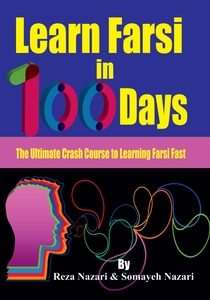
Serious about Persian? Get all 30 of our Persian learning books for $199.99 (55% less than buying them one by one).
Free Persian Starter Kit (PDF)
The Persian alphabet chart and the 101 most common Persian words with pronunciation, in one printable PDF. You also get a one-time 10% code for any of our books.
We will email you new lessons and book news from Learn Persian Online. Unsubscribe any time.Free Persian Starter Pack: Alphabet + 100 Core Words
Get the 14-page printable Starter Pack (all 32 letters, a 7-day reading plan, 100 core words and 20 survival phrases) and a short 5-email course. Free.
by: Learn Persian Online Team about (category: Blog)





What people say about "Sorry in Persian: How to Apologize, Say Excuse Me and Reply"?
No one replied yet.