Alexander the Great married three Iranian women: the Bactrian noblewoman Roxana in 327 BCE, and, at a mass wedding at Susa in spring 324 BCE, two princesses of the Achaemenid royal house. At the same ceremony around eighty of his senior officers took Iranian brides. The marriages were politics as much as romance: a way to tie the Iranian aristocracy to the new dynasty, and almost all of them were abandoned after Alexander died.
| Roxana’s wedding | 327 BCE, in Bactria or Sogdiana |
|---|---|
| Susa weddings | Spring 324 BCE, Susa |
| Alexander’s Persian brides | Stateira (also called Barsine), daughter of Darius III; Parysatis, daughter of Artaxerxes III |
| Number of couples | About 80 to 92, depending on the source |
| Persian name of Roxana | روشنک Roshanak |
Roxana, daughter of Oxyartes
Roxana was the daughter of Oxyartes, a Bactrian lord who had fought against Alexander alongside Bessus and then Spitamenes. In spring 327 she was among the family members Oxyartes had sheltered on the Sogdian Rock, which Alexander’s climbers captured (the story is on Spitamenes and the revolt of Bactria and Sogdiana). Arrian says the Macedonians thought her the most beautiful woman they had seen in Asia after the wife of Darius, and that Alexander fell in love with her and married her rather than take her as a captive.
Curtius describes the wedding as a local rite: a loaf of bread was cut with a sword and the couple each ate a piece. Whatever Alexander felt, the timing made political sense. Bactria and Sogdiana had been at war with him for two years, and marriage into a leading local family brought Oxyartes over to his side. Oxyartes soon helped persuade another lord, Sisimithres, to surrender his fortress, and Alexander later made him satrap of the Paropamisadae, the province around the Hindu Kush.
Her name is usually explained from an Old Iranian word meaning “bright” or “shining”, and it survives in modern Persian as Roshanak, “little light”. Many Macedonians were unhappy that their king had married a woman from a conquered eastern province rather than a Macedonian.
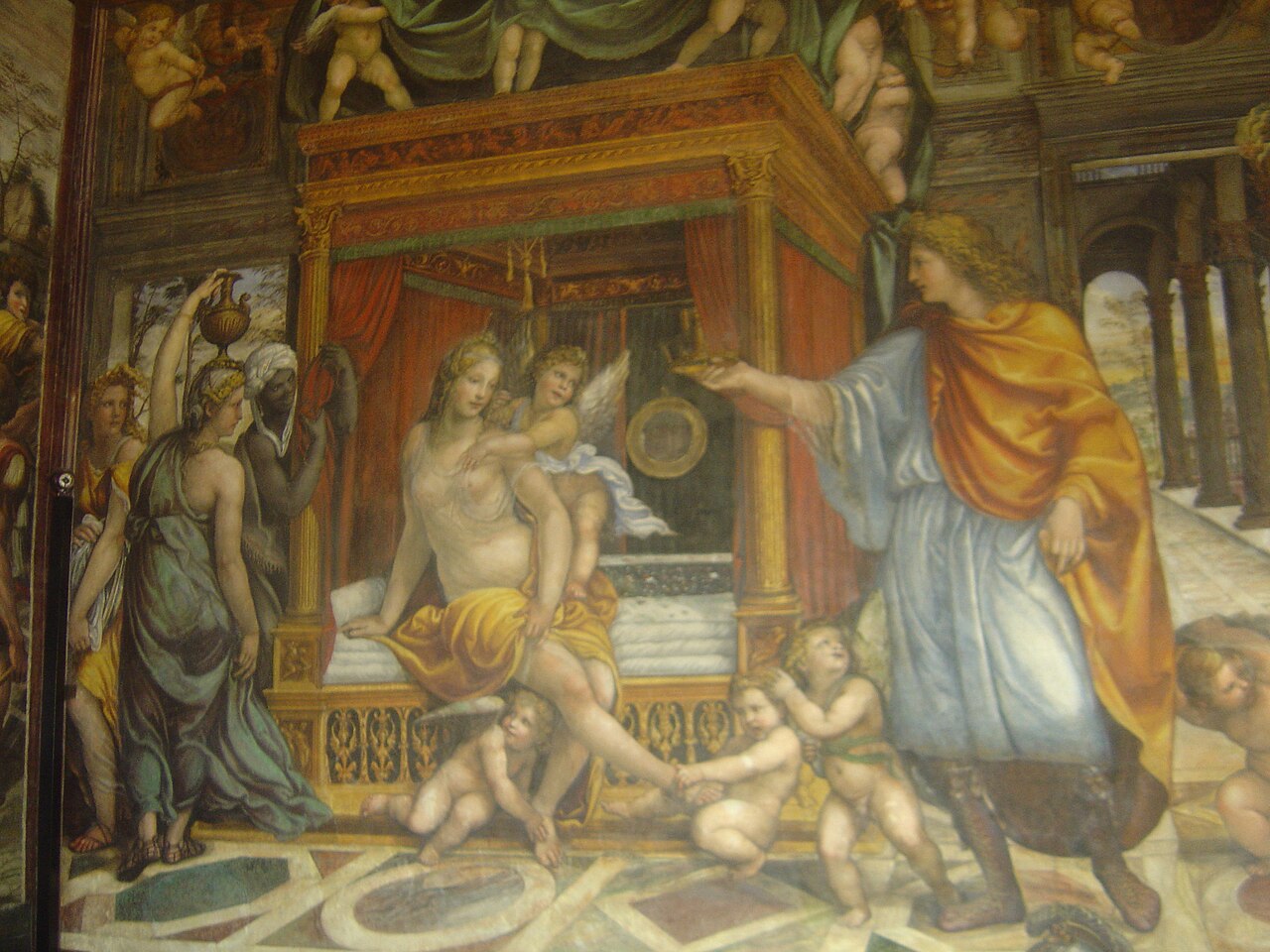

Marrying into the Achaemenid house
Alexander had held Darius III’s mother, wife and daughters since the Battle of Issus in 333. He treated them with honour, and Darius’s mother Sisygambis is said to have become deeply attached to him. The daughters were taught Greek. When Alexander came back to Susa in 324 after India, he was ready to use them.
Marriage to royal women was an old Persian way of securing the throne. Darius I, who was not a direct descendant of Cyrus, had married Cyrus’s daughters Atossa and Artystone. Alexander did something similar. He married Stateira, the eldest daughter of Darius III (Arrian calls her Barsine), and Parysatis, the youngest daughter of Artaxerxes III. With one wedding he linked himself to both branches of the last Achaemenid kings. Persian kings commonly had several wives, so for an Iranian audience this was normal royal behaviour.
The ceremony at Susa
The weddings took place at Susa in a vast pavilion. Chares of Mytilene, Alexander’s court chamberlain, whose description is preserved by the later writer Athenaeus, says there were 92 bridal chambers and that the feasting lasted five days, with actors, musicians and entertainers from across the empire. Arrian says the marriages were held in the Persian manner. Chairs were set out in a row for the bridegrooms. After the toasts, the brides came in and sat beside them, and each man took his bride by the hand and kissed her. Alexander went first, so that all the couples married together. He gave every bride a dowry.
Who married whom
Arrian lists the leading couples, and the list reads like a map of the Iranian aristocracy:
- Hephaestion, Alexander’s closest friend, married Drypetis, a younger daughter of Darius III, so that his children and Alexander’s would be cousins.
- Craterus married Amastris, daughter of Darius’s brother Oxyathres.
- Perdiccas married a daughter of Atropates, satrap of Media.
- Ptolemy and Eumenes married Artakama and Artonis, daughters of Artabazus, a Persian noble who had once lived in exile at the Macedonian court.
- Seleucus married Apama, daughter of Spitamenes, the Sogdian leader who had fought Alexander hardest of all.
Alexander also registered the marriages that ordinary soldiers had made with Asian women. Arrian says there were more than 10,000 of them, and each couple received a wedding gift.
What the weddings meant
Older historians read the Susa weddings as a grand plan to fuse Greeks and Persians into one people. Most scholars today are more cautious. There were no Macedonian women married to Iranian men; it was Iranian noble daughters who were given to Macedonian officers. That pattern fits the way conquerors in many periods have bound a defeated aristocracy to themselves. It also fits Alexander’s need, in 324, for a ruling class loyal to him personally, since the same months saw the arrival of 30,000 Iranian youths trained as Macedonian soldiers and, soon after, the mutiny of his Macedonian veterans at Opis. The broader story of his Persian policy is on Alexander the Great in Iran.
After Alexander: what happened to the brides
Alexander died in June 323, and the marriages did not survive him well. According to Plutarch, Roxana, pregnant with Alexander’s only legitimate son, lured Stateira (and, it seems, her sister Drypetis) to her and had them killed, with the support of the regent Perdiccas. Roxana’s son, Alexander IV, was born a few months later and was proclaimed joint king. Mother and son became pawns in the wars of the successors and were killed on Cassander’s orders in Macedonia around 310 BCE.
Most of the officers quietly put away their Iranian wives. Two exceptions mattered. Amastris married again and later ruled the city of Heraclea on the Black Sea in her own right, founding a city named after herself, Amastris. And Seleucus kept Apama. Their son Antiochus I was half Iranian, and several Seleucid cities were named Apamea in her honour.
Roshanak in the Shahnameh
Iranian tradition kept the marriage but changed the bride. In Ferdowsi’s Shahnameh, the dying Dara (Darius) asks Eskandar to marry his daughter Roshanak, and Eskandar does so with great ceremony. The poet has merged Roxana, the Bactrian, with Stateira, the daughter of Darius, and the result is a legitimate Iranian succession: Eskandar becomes king of Iran by marrying the last king’s daughter, just as the real Alexander had tried to do at Susa.
Persian words from this page
| روشنک | Roshanak | Roxana |
| شوش | Shush | Susa |
| عروسی | arusi | wedding |
| عروس | arus | bride |
| داماد | dâmâd | bridegroom |
| شاهنامه | Shâhnâme | Shahnameh, the Book of Kings |
Susa is still there: see the Susa archaeological site and the modern town of Shush.
Sources and further reading
- Arrian, Anabasis of Alexander 4.19 to 4.20 (Roxana) and 7.4 (Susa weddings).
- Athenaeus, Deipnosophistae 12.538 to 539, preserving Chares of Mytilene.
- Plutarch, Life of Alexander 47, 70 and 77; Quintus Curtius Rufus 8.4.
- Elizabeth D. Carney, Women and Monarchy in Macedonia (University of Oklahoma Press, 2000).
- Pierre Briant, Darius in the Shadow of Alexander (Harvard University Press, 2015).
Want to learn Persian? Get the free Starter Pack
Get the 14-page printable Starter Pack (all 32 letters, a 7-day reading plan, 100 core words and 20 survival phrases) and a short 5-email course. Free.
More in Alexander and the Seleucid Empire (330–141 BCE)
- Alexander the Great in Iran
- Spitamenes and the Revolt of Bactria and Sogdiana
- Roxana and the Mass Weddings at Susa
- Alexander’s Death and the Wars of the Successors in Iran
- The Battles of Paraitakene and Gabiene
- Seleucus I Nicator and the Seleucid Empire
- Iran under the Seleucids
- The Greco-Bactrian Kingdom
- Antiochus III’s Eastern Anabasis
- The Fratarakas: Local Rulers of Persis
- Greek Culture in Iran
- How the Seleucids Lost Iran