The Buyids (or Buwayhids) were a Daylamite family from the Caspian highlands whose three founding brothers conquered western Iran in the 930s and entered Baghdad in December 945, taking control of the Abbasid caliphs. For about a century Buyid princes ruled Iraq, Fars and central Iran as a family confederation, Shi’a in faith yet keeping the Sunni caliph as a figurehead, until the Seljuk Tughril took Baghdad in 1055.
| Period | 934–1062 (Baghdad 945–1055) |
|---|---|
| Founders | Ali (Imad al-Dawla), Hasan (Rukn al-Dawla), Ahmad (Mu’izz al-Dawla), sons of Buya |
| Main centres | Shiraz (Fars), Rey and Isfahan (Jibal), Baghdad (Iraq) |
| Religion | Shi’a, Zaydi in origin, later close to Twelver Shi’ism |
| Greatest ruler | Adud al-Dawla (949–983) |
| Persian name | آل بویه (Âl-e Buye) |
Three brothers from Daylam
Buya, the father, was a Daylamite of modest standing; later sources call him a fisherman. The Daylamites, hill people from south-west of the Caspian, had only recently become Muslims under the Alid rulers described on the Zaydi Alavids of Tabaristan, and they were in demand across Iran as tough infantry. Their background is the subject of the Daylamites.
The three sons of Buya served the warlords of the north, first Makan ibn Kaki and then Mardavij the Ziyarid. Mardavij made the eldest, Ali, governor of Karaj near Hamadan. Ali used the post to collect money and men, and in 934 he struck south into Fars and took Shiraz. When Mardavij was murdered in 935 (see the Ziyarids), the brothers were free to expand. Hasan fought for Isfahan and Rey; Ahmad pushed into Kerman and Khuzestan.

Baghdad, December 945
By the 940s the Abbasid caliphate was bankrupt and fought over by Turkish generals who held the title amir al-umara, commander of commanders. In December 945 Ahmad ibn Buya entered Baghdad. The caliph al-Mustakfi received him and gave the three brothers the honorific titles by which they are known: Imad al-Dawla, “Pillar of the State”, for Ali; Rukn al-Dawla, “Support of the State”, for Hasan; and Mu’izz al-Dawla, “Strengthener of the State”, for Ahmad.
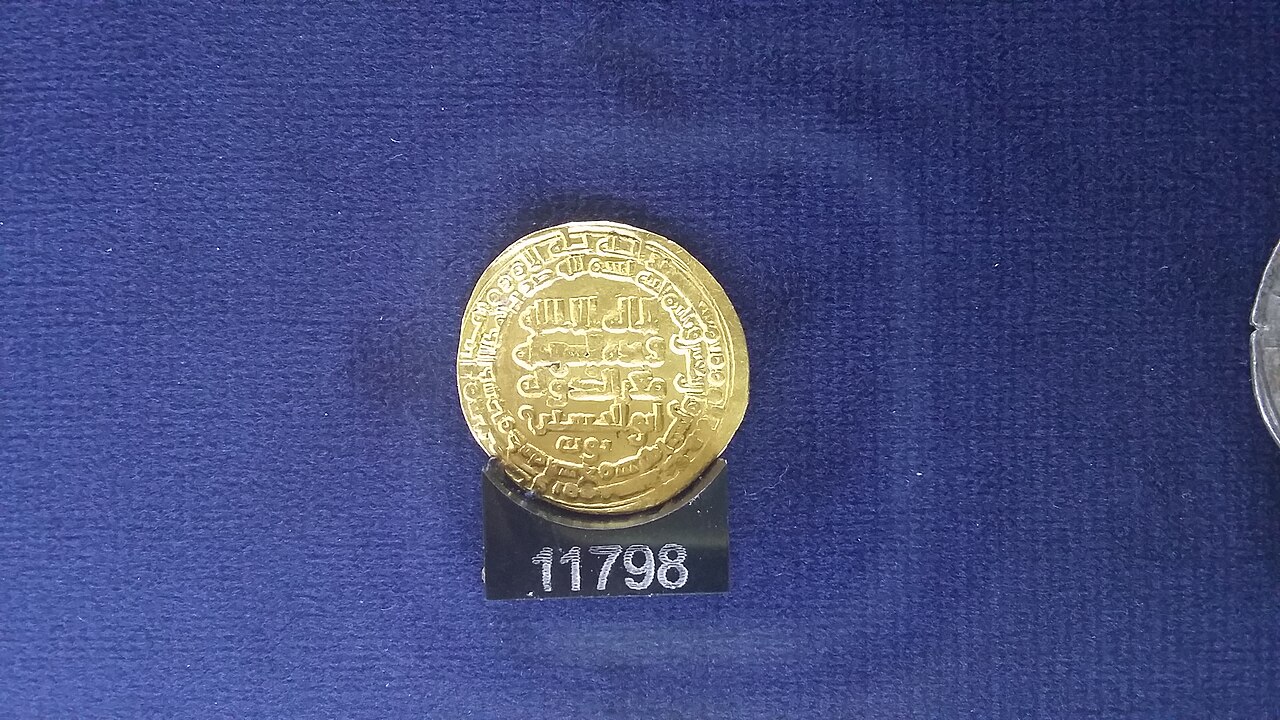
A few weeks later, in January 946, Mu’izz al-Dawla had the caliph seized, blinded and deposed, and set up al-Muti’ in his place. From then on the caliphs kept their palace, their religious role and their names on the coins, while real power lay with the Buyid amirs.
A family confederation
The Buyids never formed a single state. Each brother ruled his own region, and the senior member of the family was recognised as leader:
- Fars, with its capital at Shiraz, was the richest province and the base of the senior line. Imad al-Dawla, who had no sons, adopted his nephew Fana Khusraw, the future Adud al-Dawla.
- Jibal, the mountain provinces of Rey, Hamadan and Isfahan, went to Rukn al-Dawla, who ruled it for over forty years and spent much of that time fighting the Samanids and the Ziyarid Voshmgir.
- Iraq, with Baghdad, went to Mu’izz al-Dawla and then his son Izz al-Dawla Bakhtiyar.
The army mixed Daylamite foot soldiers with Turkish cavalry, and the two groups were often at odds. To pay them, Mu’izz al-Dawla made wide use of the iqta’, the assignment of tax revenues from land to soldiers in place of salaries, a system that later Turkic dynasties developed further.
Shi’a rulers and a Sunni caliph
The Buyids were Shi’a, but they kept the Abbasid caliph because his authority made their rule lawful in the eyes of the Sunni majority. They did give Shi’a practice a public place it had not had before. In 963 Mu’izz al-Dawla ordered the shops of Baghdad closed for public mourning on Ashura, the anniversary of Husayn’s death at Karbala, and allowed the celebration of the feast of Ghadir Khumm. These were moments of open conflict between Shi’a and Sunni quarters of the city. The religious and intellectual life of the period is covered on culture under the Buyids and, over the long term, on Shi’a Islam in Iranian history.
The age of Adud al-Dawla
The confederation reached its peak under Rukn al-Dawla’s son Adud al-Dawla, who ruled Fars from 949, took Iraq in 977–978 and briefly united the Buyid lands under one ruler with the old Persian title of shahanshah, king of kings. His reign has its own page, Adud al-Dawla.
Decline and fall
After Adud’s death in 983 his sons fought each other, and the Buyid lands divided again. Baha al-Dawla reunited Iraq and Fars in the 990s, but central Iran went its own way. Rey was ruled for decades by the widow of Fakhr al-Dawla, the princess known as Sayyida, on behalf of her son, until Mahmud of Ghazni took the city in 1029. Isfahan passed to the Kakuyids, described on the Kakuyids of Isfahan.
In Baghdad the last Buyid amir, al-Malik al-Rahim, was swept aside when the Seljuk Tughril Beg entered the city in December 1055, the event told on Tughril Beg enters Baghdad. The last Buyid prince of Fars lost his lands in 1062.
- 934 Ali ibn Buya takes Shiraz
- 935 Death of Mardavij; Buyid expansion
- 945 Ahmad enters Baghdad; titles granted
- 946 Caliph al-Mustakfi deposed
- 963 Public Ashura mourning in Baghdad
- 977–978 Adud al-Dawla takes Iraq
- 1029 Mahmud of Ghazni takes Rey
- 1055 Tughril Beg enters Baghdad
- 1062 End of Buyid rule in Fars
How historians see the Buyids
Vladimir Minorsky saw the Buyid century as the core of what he called the Iranian intermezzo, the time between Arab and Turkic domination when Iranian dynasties ruled most of the plateau. The Buyids encouraged that view themselves: their rulers claimed descent from the Sasanian king Bahram Gur, and Adud al-Dawla revived Persian royal titles. Other historians stress that the Buyids governed through Arabic and Abbasid institutions and that their courts were more Arabic than Persian in culture. Roy Mottahedeh’s study of loyalty and leadership in the Buyid period shows how much their state depended on personal bonds, oaths and gratitude rather than on a fixed constitution, which helps explain both their success and the speed of their collapse.
Persian words from this page
| آل بویه | Âl-e Buye | the Buyids |
| دیلمیان | Deylamiyân | the Daylamites |
| شیراز | Shirâz | Shiraz |
| ری | Rey | Rey |
| بغداد | Baghdâd | Baghdad |
| عاشورا | Âshurâ | Ashura |
| شاهنشاه | shâhanshâh | king of kings |
Sources and further reading
- Miskawayh, Tajarib al-umam, in H. F. Amedroz and D. S. Margoliouth, The Eclipse of the Abbasid Caliphate (1920–21).
- H. Busse, “Iran under the Buyids”, in The Cambridge History of Iran, vol. 4 (1975).
- R. P. Mottahedeh, Loyalty and Leadership in an Early Islamic Society (1980).
- J. J. Donohue, The Buwayhid Dynasty in Iraq 334 H./945 to 403 H./1012 (2003).
- Encyclopaedia Iranica, “Buyids” (W. Madelung).
Want to learn Persian? Get the free Starter Pack
Get the 14-page printable Starter Pack (all 32 letters, a 7-day reading plan, 100 core words and 20 survival phrases) and a short 5-email course. Free.
More in The Iranian Intermezzo (821–1055)
- The Tahirids of Khorasan
- The Saffarids and Ya’qub the Coppersmith
- Amr ibn Layth and the Saffarid–Samanid War
- The Zaydi Alavids of Tabaristan
- The Samanid Empire
- Ismail Samani
- The Samanid Persian Renaissance
- Rudaki, Father of Persian Poetry
- Bal’ami and Early Persian Prose
- The End of the Samanids
- The Ziyarids and Qabus ibn Voshmgir
- Gonbad-e Qabus Tower
- The Daylamites: Mountain Warriors of Gilan
- The Buyid Dynasty
- Adud al-Dawla
- Culture under the Buyids
- The Kakuyids of Isfahan
- Al-Khwarizmi and Persian Mathematics
- Muhammad ibn Zakariya al-Razi
- Ferdowsi and the Shahnameh
- Avicenna (Ibn Sina)
- Al-Biruni