Tughril Beg (c. 993–1063), the first great Seljuk ruler, entered Baghdad in December 1055 at the invitation of the Abbasid caliph al-Qa’im, ending a century of Buyid control over the caliphs. The event created the partnership of caliph and sultan: the caliph kept religious authority and gave legitimacy, while the Turkish sultan held the real power, an arrangement that defined Sunni government for the next two centuries.
| Ruler | Tughril (Abu Talib Muhammad ibn Mikail), grandson of Seljuk |
|---|---|
| Reign | c. 1040–1063 (leader in the west from 1040) |
| Capitals | Nishapur, then Rey and Isfahan |
| Entry into Baghdad | December 1055 (Ramadan 447 AH) |
| Caliph | al-Qa’im (r. 1031–1075) |
| Vizier | Amid al-Mulk al-Kunduri |
| Died | September 1063, Rey; no son |
Westward from Khorasan
After the Seljuk victory at Dandanaqan in 1040, the family split the work: Tughril’s brother Chaghri held Khorasan, and Tughril led the advance into western Iran. He took Rey in 1042–43 and made it a base, then Hamadan. In 1051, after a long siege, he took Isfahan from its Kakuyid ruler and made it his capital (on the earlier dynasty there, see The Kakuyids of Isfahan). Coins struck at Nishapur already called him “the great sultan” and shahanshah, king of kings, using both Islamic and old Iranian royal language.
Tughril’s position was not that of an absolute king. His half-brother Ibrahim Inal and other kinsmen led their own Turkmen bands, and the Turkmen raided where they pleased, in Azerbaijan, Armenia and northern Iraq. Holding the confederation together required plunder, success and an idea that made Tughril more than first among equals.
Baghdad under the Buyids
That idea lay in Baghdad. Since 945 the Abbasid caliphs had been under the control of the Buyid dynasty, Daylamite princes who were Shi’a and who kept the caliphs as honoured figureheads. By the 1050s the last Buyid in Iraq, al-Malik al-Rahim, was weak, and the real strongman in Baghdad was a Turkish commander, Arslan al-Basasiri, who was in contact with the Shi’a Fatimid caliphs of Cairo, the Abbasids’ great rivals.
Caliph al-Qa’im and his vizier Ibn al-Muslima feared that al-Basasiri would hand Baghdad to the Fatimids. They turned to the Seljuks, who had been sending letters since 1040 professing loyalty to the Abbasid caliph and Sunni Islam.

The entry of December 1055
In Ramadan 447 (December 1055) the Friday sermon in Baghdad was read in Tughril’s name, and a few days later he entered the city. Al-Malik al-Rahim was arrested and sent away as a prisoner; Buyid rule was over. The occupation was not peaceful. Fighting broke out between the Turkmen troops and the people of Baghdad, and parts of the city were plundered.
The caliph gave Tughril honorific titles and, in a ceremony in 1058, received him formally and named him “King of the East and the West”. Tughril was now the caliph’s appointed sultan, the holder of power on his behalf. The caliph’s wider family was tied to the Seljuks by marriage: in 1056 al-Qa’im married a daughter of Chaghri, Tughril’s niece.
The Basasiri crisis, 1058–60
The new order nearly collapsed at once. In 1058 Ibrahim Inal rebelled in western Iran, and Tughril had to march against him. With the sultan away, al-Basasiri returned to Baghdad at the end of 1058 with Fatimid backing. For about a year the Friday sermon in the Abbasid capital was read for the Fatimid caliph in Cairo, and al-Qa’im was held in custody in a town on the Euphrates.
Tughril defeated Ibrahim Inal, who was executed, and then turned back to Iraq. He retook Baghdad, al-Basasiri was killed in battle in January 1060, and the caliph was brought back to his palace. Chroniclers describe the sultan walking beside the caliph’s mount, holding its bridle, a public display of the order they wanted: the sultan as servant of the caliph, and also as the man without whom the caliph could not have returned.
Sultan and caliph
The relationship stayed uneasy. In 1062 Tughril demanded the hand of the caliph’s own daughter. Al-Qa’im resisted, since no Turkish ruler had married into the Abbasid house this way, but gave in under pressure. The marriage took place in 1063, months before Tughril’s death. To many in Baghdad it showed where power really lay.
Inside his own lands Tughril relied on his vizier al-Kunduri, a Persian from Khorasan. Al-Kunduri took a hard line on religious opponents: under his influence Ash’ari theologians and Shi’a were publicly cursed in Khorasan, and several leading scholars left the province. This was reversed under the next vizier, Nizam al-Mulk, who built his policy on support for Shafi’i and Ash’ari scholars.
Death and succession
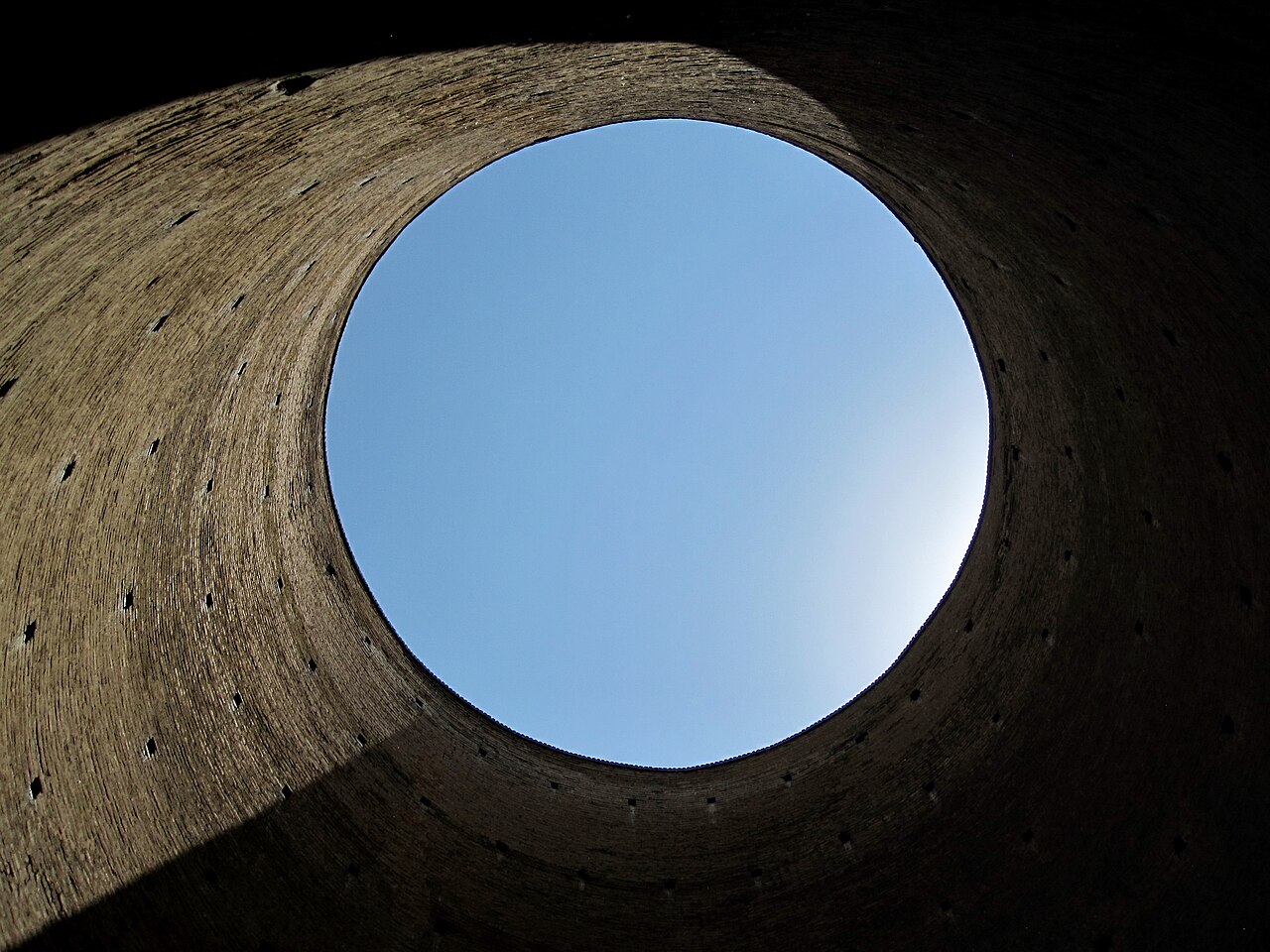
Tughril died at Rey in September 1063, aged about seventy, without a son. Al-Kunduri tried to put a young nephew, Sulayman, on the throne, but Chaghri’s son Alp Arslan, already ruling Khorasan, defeated his rivals and took power. A brick tomb tower in Rey is known as the Tughrul Tower, but it probably dates from the following century and its link to him is a tradition, not a certainty.
- 1042–43 Tughril takes Rey
- 1051 Isfahan taken and made capital
- Dec 1055 Tughril enters Baghdad; end of Buyid rule
- 1058 Named “King of the East and the West”; Ibrahim Inal rebels
- 1058–59 Al-Basasiri holds Baghdad for the Fatimids
- 1060 Tughril restores al-Qa’im
- 1063 Marriage to the caliph’s daughter; death at Rey
Persian words from this page
| طغرل بیگ | Toghrol Beyg | Tughril Beg |
| خلیفه | khalife | caliph |
| خطبه | khotbeh | Friday sermon |
| شاهنشاه | shâhanshâh | king of kings |
| بغداد | Baghdâd | Baghdad |
| ری | Rey | Rey |
Rey, where Tughril died, is now part of greater Tehran; its long story is told in the historic city of Rey.
Sources and further reading
- Ibn al-Athir, The Annals of the Saljuq Turks: Selections from al-Kamil fi’l-Ta’rikh, trans. D. S. Richards (London, 2002).
- A. C. S. Peacock, The Great Seljuk Empire (Edinburgh, 2015).
- C. E. Bosworth, “The Political and Dynastic History of the Iranian World (A.D. 1000–1217)”, in The Cambridge History of Iran, vol. 5 (1968).
- Hugh Kennedy, The Prophet and the Age of the Caliphates (2nd ed., Harlow, 2004).
Want to learn Persian? Get the free Starter Pack
Get the 14-page printable Starter Pack (all 32 letters, a 7-day reading plan, 100 core words and 20 survival phrases) and a short 5-email course. Free.
More in Ghaznavids, Seljuks and Khwarazmshahs (977–1231)
- The Ghaznavid Empire
- Mahmud of Ghazni
- The Rise of the Seljuks
- The Battle of Dandanaqan (1040)
- Tughril Beg Enters Baghdad
- Alp Arslan
- Seljuk Architecture: Tomb Towers and Caravanserais
- The Battle of Manzikert (1071)
- Malik Shah I
- The Seljuks of Kerman
- Nizam al-Mulk and the Siyasatnama
- The Seljuk Domes of Isfahan’s Jameh Mosque
- Omar Khayyam: Poet and Scientist
- Al-Ghazali
- Sana’i of Ghazni
- Hassan-i Sabbah and the Fortress of Alamut
- The Nizari Ismailis and the “Assassins” Legend
- Sultan Sanjar and the Qara Khitai
- The Battle of Qatwan (1141)
- Anvari and Seljuk Court Poetry
- Seljuk Decline and the Atabegs
- The Ghurids
- Attar of Nishapur
- Nizami Ganjavi
- The Khwarazmian Empire
- Ala al-Din Muhammad II
- The Otrar Incident (1218): How Khwarazm Provoked Genghis Khan
- Jalal al-Din Mingburnu