Persian (Farsi) is Iran’s only official language and is understood by almost everyone in the country, but it is the mother tongue of only around half of Iranians. Azerbaijani Turkish, Kurdish, Luri, Gilaki, Mazandarani, Baluchi, Arabic, Turkmen and a dozen smaller languages are spoken at home across the provinces. For learners, this means that the Persian you study is the shared language of school, government, media and travel everywhere in Iran, even in regions where people speak something else at home.
What the constitution says
Article 15 of the 1979 constitution makes Persian, in the Persian script, the official language and script, required for official documents, correspondence and school textbooks. The same article allows the use of regional and ethnic languages in the press and media and the teaching of their literature in schools alongside Persian. Article 16 makes Arabic, as the language of the Qur’an, a compulsory subject in secondary school. Minority rights groups, and many speakers of these languages, argue that the second part of Article 15 has been applied only in a limited way: schooling is in Persian, and teaching in mother tongues is rare. Since the mid-2010s a few universities, including the University of Kurdistan in Sanandaj and the University of Tabriz, have offered degrees in Kurdish and Azerbaijani language and literature.
How many people speak what
Like ethnicity, home language is not published from Iran’s census, so numbers are estimates. Most sources, from Ethnologue to academic surveys, put native Persian speakers at between about 50 and 60 percent of the population. Azerbaijani is the second language with perhaps 15 to 20 million native speakers, followed by Kurdish (perhaps 6 to 9 million in Iran), then Luri and Mazandarani and Gilaki (a few million each), Arabic and Baluchi (one to two million each) and Turkmen (around a million or more). Because almost every child is schooled in Persian, the great majority of Iranians are bilingual by adulthood.
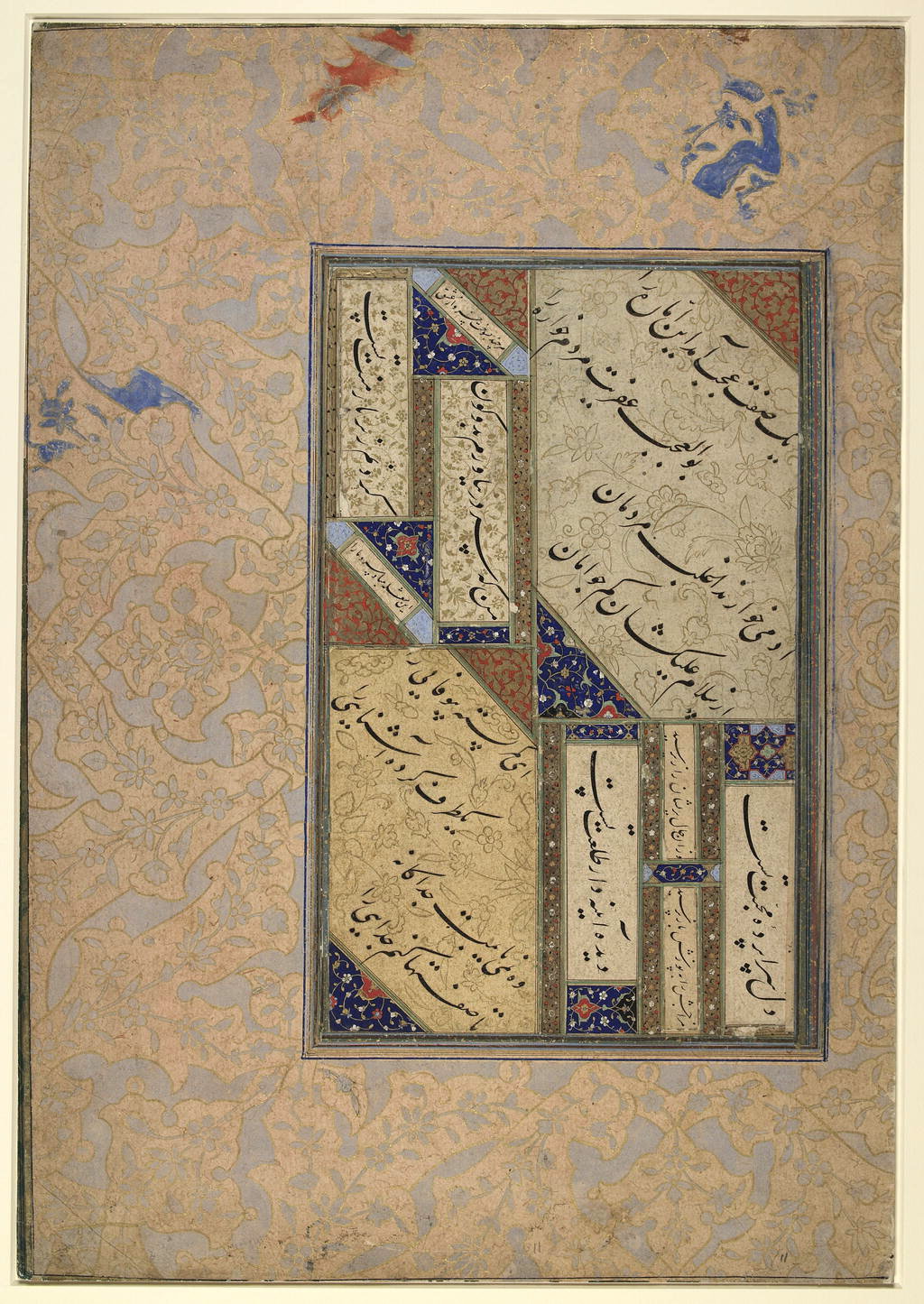

Persian and its regional varieties
Persian is an Indo-European language of the western Iranian branch, the descendant of Old Persian and Middle Persian; our page on the history of the Persian language traces that story. It is written in a modified Arabic script with 32 letters, adding پ (p), چ (ch), ژ (zh) and گ (g). The standard spoken form is based on the speech of Tehran, which is what Iranian television, films and most courses use. Spoken Tehrani differs from written Persian in regular ways: mikhâham (I want) becomes mikhâm, and long â before n often becomes u, so nân (bread) is heard as nun and Tehrân as Tehrun.
Outside Tehran, people speak with regional accents (لهجه, lahje), from the sing-song Persian of Isfahan to the speech of Shiraz, Yazd, Kerman and Mashhad. Persian is also spoken beyond Iran as Dari in Afghanistan and Tajik in Tajikistan; our post on where Persian is spoken covers that wider world.
The other Iranian languages
Many of Iran’s minority languages are relatives of Persian, belonging to the same Iranian family but different enough not to be understood by a Persian speaker without study:
- Kurdish is a cluster of varieties: Kurmanji in the far north-west and in North Khorasan, Sorani (and Ardalani) around Mahabad and Sanandaj, and Southern Kurdish around Kermanshah and Ilam. The Gorani or Hawrami language of the Hawraman valleys is often grouped with it.
- Luri and Bakhtiari, spoken in the Zagros, are close to Persian and partly understandable to Persian speakers.
- Gilaki and Mazandarani are the languages of the Caspian provinces, each with its own songs and poetry. Talysh and Tati are spoken in pockets of Gilan, Ardabil and Qazvin.
- Baluchi, spoken in Sistan and Baluchestan, is a north-western Iranian language despite its location in the far south-east.
- Smaller languages include Larestani in southern Fars and Hormozgan, Semnani, and the Zoroastrian Dari (Behdinani) of Yazd and Kerman, which UNESCO lists as endangered.
Turkic, Semitic and other languages
Azerbaijani (called torki in Iran) is a Turkic language of the Oghuz group, close to Turkish. It is the everyday language of Tabriz, Ardabil, Urmia (alongside Kurdish), Zanjan and much of Qazvin and Hamadan, and is heard widely in Tehran. Turkmen is spoken in Golestan and North Khorasan; Qashqai in Fars; and Khalaj, a distinctive Turkic language, survives in a few villages near Arak. Arabic is spoken by Iranian Arabs in Khuzestan and along the coast, in dialects close to those of southern Iraq. Christian communities speak Armenian and Assyrian Neo-Aramaic, and Georgian survives in Fereydunshahr near Isfahan.
What this means for learners
If you travel in Iran with Persian, you will be understood everywhere. In Tabriz or Sanandaj people may switch to Azerbaijani or Kurdish among themselves, and a few words in the local language are always appreciated, but shopkeepers, officials and younger people will use Persian with you. Our guide to Farsi and Urdu also explains why speakers of Urdu and Hindi will recognise many Persian words. For who speaks which language, see the people of Iran.
Persian words from this page
| زبان | zabân | language; also tongue |
| فارسی | fârsi | Persian (language) |
| زبان مادری | zabân-e mâdari | mother tongue |
| لهجه | lahje | accent |
| گویش | guyesh | dialect |
| ترکی | torki | Azerbaijani Turkish |
| کردی | kordi | Kurdish |
| خط | khatt | script, handwriting |
Sources and further reading
- Constitution of the Islamic Republic of Iran (1979, amended 1989), Articles 15 and 16.
- Gernot Windfuhr (ed.), The Iranian Languages (Routledge, 2009).
- Encyclopaedia Iranica, “Iran vi. Iranian languages and scripts” (iranicaonline.org).
- Ethnologue: Languages of the World, country entry for Iran.
- UNESCO, Atlas of the World’s Languages in Danger.
- Minority Rights Group International, World Directory of Minorities: Iran.
Want to learn Persian? Get the free Starter Pack
Get the 14-page printable Starter Pack (all 32 letters, a 7-day reading plan, 100 core words and 20 survival phrases) and a short 5-email course. Free.
More in Iran Facts and Overview
- Iran at a Glance: Key Facts and Figures
- Geography of Iran: Mountains, Deserts and Seas
- Climate of Iran and the Best Time to Visit
- The 31 Provinces of Iran
- The People of Iran: Ethnic Groups
- Languages Spoken in Iran
- Religion in Iran Today
- How Iran Is Governed
- The Economy of Iran
- Iranian Currency: Rial and Toman Explained
- Persian Food: Dishes Every Visitor Should Try
- Iranian Festivals and Public Holidays
- Iranian Culture and Etiquette
- Iranian Handicrafts
- UNESCO World Heritage Sites in Iran
- Iran Records and Superlatives
- National Symbols of Iran
- Sports in Iran
- Practical Tips for Travelling to Iran