Iran has 30 properties on UNESCO’s World Heritage List. The 30th, Alamut Castle and Related Fortifications, was inscribed on 26 July 2026 at the 48th session of the World Heritage Committee in Busan, a year after the Prehistoric Sites of the Khorramabad Valley were added in July 2025. Of the 30, 28 are cultural sites and two, the Lut Desert and the Hyrcanian Forests, are natural.
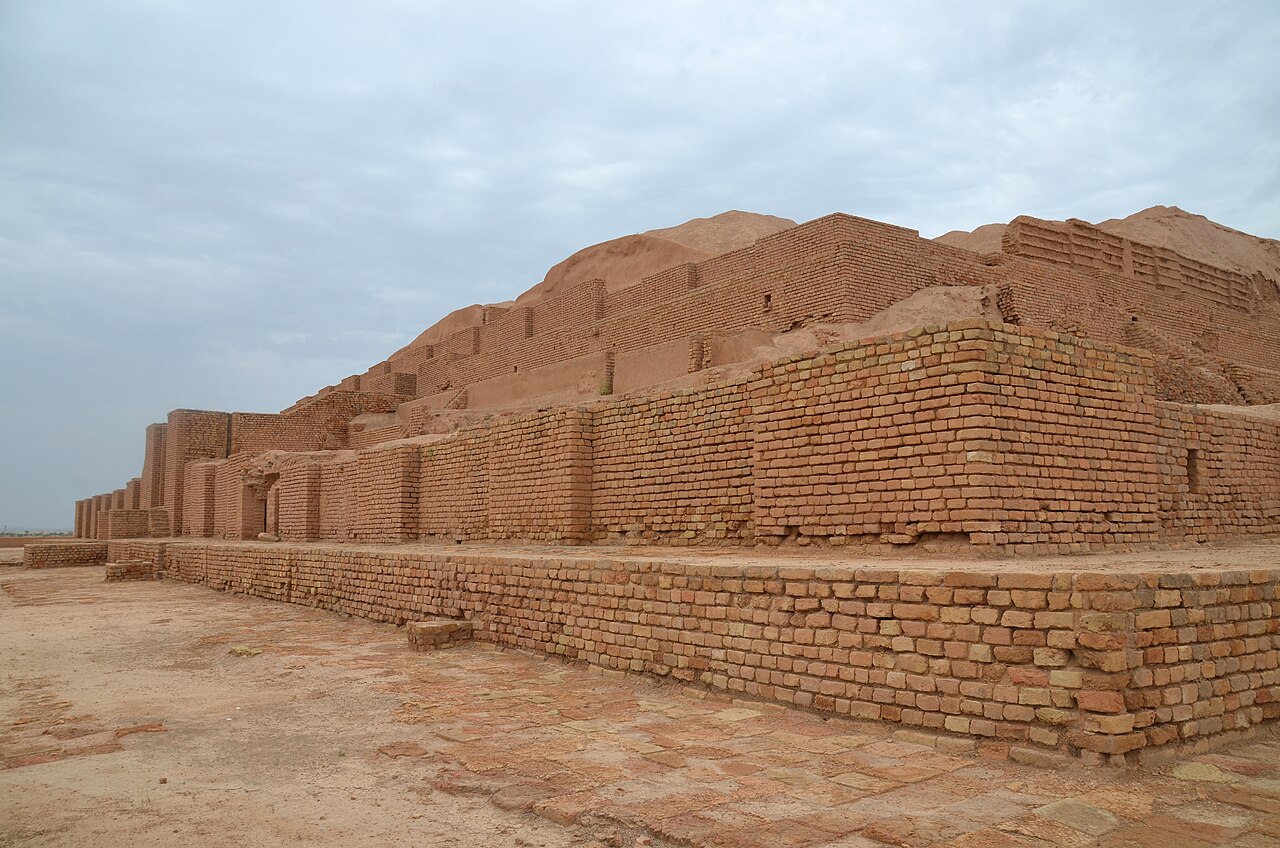

| Sites inscribed | 30 (28 cultural, 2 natural), as of the 48th session, July 2026 |
|---|---|
| First inscriptions | 1979: Chogha Zanbil, Persepolis, Naqsh-e Jahan Square |
| Latest | Khorramabad Valley prehistoric sites (11 July 2025); Alamut Castle and Related Fortifications (26 July 2026) |
| Tentative List | 57 further sites proposed by Iran (UNESCO, 2026) |
| Persian term | میراث جهانی (mirâs-e jahâni), world heritage |
The list below runs in order of inscription. Each entry links to the page in this section that covers the site in more detail.
The first three (1979)
Iran ratified the World Heritage Convention in 1975, and its first three sites were inscribed in 1979, the year of the revolution. No more were added for 24 years.
- Tchogha Zanbil (1979, Khuzestan): the brick ziggurat and temple city built by the Elamite king Untash-Napirisha around 1250 BCE. Visiting Chogha Zanbil.
- Persepolis (1979, Fars): the ceremonial capital of the Achaemenid kings, begun by Darius I around 518 BCE and burned by Alexander in 330 BCE. Building Persepolis.
- Meidan Emam, Esfahan (1979, Isfahan): Shah Abbas I’s great square with the Shah Mosque, Sheikh Lotfollah Mosque, Ali Qapu and the bazaar gate. Naqsh-e Jahan Square.
The 2000s: from Takht-e Soleyman to Tabriz
- Takht-e Soleyman (2003, West Azerbaijan): the Sasanian royal fire temple of Adur Gushnasp around a spring-fed crater lake, later rebuilt by the Ilkhanids. Takht-e Soleyman.
- Bam and its Cultural Landscape (2004, Kerman): the adobe citadel and oasis town devastated by the earthquake of December 2003; it was on the List in Danger until 2013. Arg-e Bam.
- Pasargadae (2004, Fars): the first Achaemenid capital, with the tomb of Cyrus the Great and the earliest known Persian garden plan. Visiting Pasargadae.
- Soltaniyeh (2005, Zanjan): the mausoleum of the Ilkhan Öljaitü, completed in the early 14th century, with one of the largest brick domes in the world. Dome of Soltaniyeh.
- Bisotun (2006, Kermanshah): the cliff on the old road to Mesopotamia carrying Darius I’s trilingual inscription and relief. Behistun (Bisotun).
- Armenian Monastic Ensembles of Iran (2008, West and East Azerbaijan): St Thaddeus, St Stepanos and the Chapel of Dzordzor, centres of Armenian Christianity for centuries. Armenian monasteries.
- Shushtar Historical Hydraulic System (2009, Khuzestan): weirs, canals, tunnels and water mills on the Karun river, with origins in the Sasanian period. Shushtar water system.
- Sheikh Safi al-din Khānegāh and Shrine Ensemble (2010, Ardabil): the Sufi shrine of the Safavids’ ancestor, with the china house and tiled tomb towers. Sheikh Safi al-Din Shrine.
- Tabriz Historic Bazaar Complex (2010, East Azerbaijan): one of the largest covered bazaars in the world, a hub of the Silk Road trade. Tabriz Historic Bazaar.
2011 to 2019: gardens, deserts and forests
- The Persian Garden (2011, nine gardens in several provinces): Pasargadae, Eram, Chehel Sotoun, Fin, Abbas Abad, Shazdeh, Dowlatabad, Pahlevanpour and Akbarieh, chosen to show the four-part garden over 2,500 years. The Persian Garden through History.
- Gonbad-e Qabus (2012, Golestan): a 53-metre brick tomb tower built in 1006 for the Ziyarid ruler Qabus. Gonbad-e Qabus.
- Masjed-e Jāmeh of Isfahan (2012, Isfahan): the Friday Mosque whose Seljuk domes and four-iwan plan shaped mosque design across Iran. Jameh Mosque of Isfahan.
- Golestan Palace (2013, Tehran): the Qajar royal palace complex in the centre of Tehran, mixing Persian and European styles. Golestan Palace.
- Shahr-i Sokhta (2014, Sistan and Baluchestan): the Bronze Age “Burnt City” on the Helmand delta, founded around 3200 BCE. Shahr-e Sukhteh.
- Cultural Landscape of Maymand (2015, Kerman): a village of homes cut into soft rock, still used by semi-nomadic herders in winter. Meymand village.
- Susa (2015, Khuzestan): mounds covering 6,000 years of settlement, from Elamite city to Achaemenid palace. Susa archaeological site.
- Lut Desert (2016, Kerman and Sistan and Baluchestan): Iran’s first natural site: giant yardangs, dune fields and some of the hottest ground surfaces measured on Earth. Dasht-e Lut.
- The Persian Qanat (2016, eleven qanats in several provinces): underground water channels, among them the qanat of Qasabeh at Gonabad. The Qanat of Gonabad.
- Historic City of Yazd (2017, Yazd): an adobe desert city of windcatchers, covered lanes and Zoroastrian and Islamic monuments. Yazd.
- Sassanid Archaeological Landscape of Fars Region (2018, Fars): Firuzabad, Bishapur and Sarvestan: cities, palaces and rock reliefs of the early Sasanian kings. Sasanian sites of Fars.
- Hyrcanian Forests (2019, Gilan, Mazandaran and Golestan): ancient broadleaf forests along the Caspian; the site was extended into Azerbaijan in 2023. Hyrcanian Forests.
2021 to 2026: railway, caravanserais and the newest sites
- Cultural Landscape of Hawraman/Uramanat (2021, Kurdistan and Kermanshah): terraced Kurdish villages on steep mountain slopes, with a farming and herding way of life. Sanandaj and Kurdish culture.
- Trans-Iranian Railway (2021, from the Caspian to the Persian Gulf): the line built 1927 to 1938, crossing two mountain ranges with hundreds of bridges and tunnels. The Trans-Iranian Railway.
- The Persian Caravanserai (2023, many provinces): 54 roadside inns from different centuries along Iran’s historic trade and pilgrimage routes. Persian caravanserais.
- Hegmataneh (2024, Hamadan): the great mound in the centre of Hamadan, identified with Ecbatana, capital of the Medes. Ecbatana, capital of the Medes.
- The Prehistoric Sites of the Khorramabad Valley (2025, Lorestan): five caves and rock shelters (Yafteh, Kunji, Ghamari, Gilvaran and Gar Arjeneh) with traces of human life from the Middle Palaeolithic onward; Iran’s first Palaeolithic World Heritage site. Prehistoric Iran.
- Alamut Castle and Related Fortifications (2026, Qazvin): the mountain stronghold of the Nizari Ismailis in the Alborz, with associated castles in the valley. Alamut Castle.
Heritage sites and the wars of 2025 and 2026
The fighting that began on 28 February 2026 raised fears for Iran’s monuments. On 11 March 2026 UNESCO said it was “deeply concerned” and that four of Iran’s World Heritage properties had been damaged, among them Golestan Palace in Tehran, where blast damage shattered glass and woodwork; it also reported damage in Isfahan and near the buffer zone of the Khorramabad Valley sites. UNESCO said it had given the coordinates of key cultural sites to all parties. The full extent of the damage had not been independently assessed by the time of writing, so check UNESCO’s own updates for the current state of each site.
Intangible heritage
Alongside these places, Iran has more than 20 living traditions on UNESCO’s intangible heritage lists, including Nowruz, Yalda, the zurkhaneh rituals, carpet weaving in Fars and Kashan, the radif of Persian music and the passion play ta’zieh. Some of them are described on the pages on festivals and holidays and Iranian handicrafts.
Persian words from this page
| میراث جهانی | mirâs-e jahâni | world heritage |
| تخت جمشید | Takht-e Jamshid | Persepolis |
| پاسارگاد | Pâsârgâd | Pasargadae |
| باغ ایرانی | bâgh-e irâni | Persian garden |
| قنات | ghanât | qanat, underground channel |
| کاروانسرا | kârvânsarâ | caravanserai |
| شهر سوخته | Shahr-e Sukhteh | the Burnt City |
Sources and further reading
- UNESCO World Heritage Centre, Iran (Islamic Republic of): properties inscribed and Tentative List.
- UNESCO World Heritage Centre, Gonbad-e Qābus listing (height and date of the tower).
- Reports on the 47th session (Paris, July 2025: Khorramabad Valley) and the 48th session (Busan, July 2026: Alamut).
- Al-Monitor and Reuters, “UNESCO fears for fate of historical sites during Iran war”, 11 March 2026.
Want to learn Persian? Get the free Starter Pack
Get the 14-page printable Starter Pack (all 32 letters, a 7-day reading plan, 100 core words and 20 survival phrases) and a short 5-email course. Free.
More in Iran Facts and Overview
- Iran at a Glance: Key Facts and Figures
- Geography of Iran: Mountains, Deserts and Seas
- Climate of Iran and the Best Time to Visit
- The 31 Provinces of Iran
- The People of Iran: Ethnic Groups
- Languages Spoken in Iran
- Religion in Iran Today
- How Iran Is Governed
- The Economy of Iran
- Iranian Currency: Rial and Toman Explained
- Persian Food: Dishes Every Visitor Should Try
- Iranian Festivals and Public Holidays
- Iranian Culture and Etiquette
- Iranian Handicrafts
- UNESCO World Heritage Sites in Iran
- Iran Records and Superlatives
- National Symbols of Iran
- Sports in Iran
- Practical Tips for Travelling to Iran