The Seljuks were a family of Oghuz Turkish chiefs from the steppe east of the Aral Sea who, in about fifteen years, went from leading herders on the edge of the Islamic world to ruling Khorasan. Under the brothers Tughril and Chaghri they entered Ghaznavid territory in 1035, took Merv and Nishapur, and in 1040 won the battle that made them masters of Iran.
The Oghuz on the Syr Darya
In the 10th century the Oghuz (in Arabic and Persian sources, Ghuzz) were a loose confederation of Turkish tribes living between the Aral Sea and the lower Syr Darya, in what is now Kazakhstan. They kept horses and sheep, traded with the towns of Khwarazm and Transoxiana, and fought for whoever paid them. Most were not yet Muslim. The name Turkmen came to be used for those among them who converted.
The family’s ancestor, Seljuk son of Duqaq, served the Oghuz ruler, the yabghu, as a military commander. Seljuk dynasty histories, written much later and keen to give their masters a noble past, tell that he quarrelled with the yabghu and moved with his followers to Jand, a town near the mouth of the Syr Darya, where he became a Muslim. The date usually given is around 985, but it rests on these later, partly legendary accounts. Seljuk’s sons carried the names Mikail, Israil, Musa and Yunus (Michael, Israel, Moses, Jonah), which has led historians to suggest earlier contact with the Jewish Khazars or with Christians; the question is open.
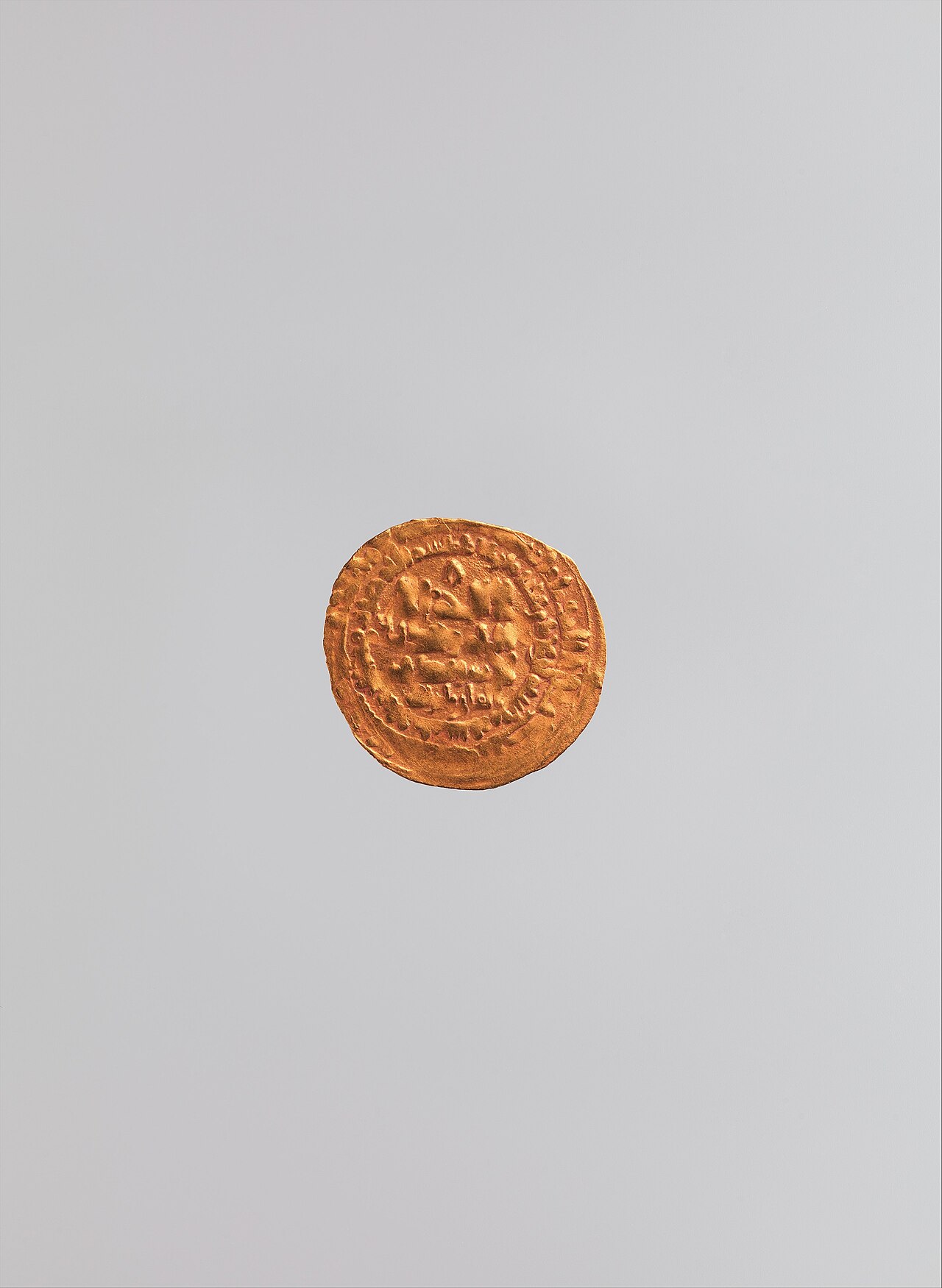

Mercenaries between the powers
Around the year 1000 the lands north of Iran were contested by three powers: the dying Samanids of Bukhara, the Qarakhanid Turks who replaced them in Transoxiana, and the Ghaznavids in Khorasan. Seljuk’s descendants sold their services among them. One branch, under Seljuk’s son Arslan Israil, became so strong that Mahmud of Ghazni arrested him around 1025 and sent him to prison in India, where he died. Mahmud then let some of Arslan Israil’s Turkmens cross into Khorasan to graze. They proved hard to control and many later drifted west into Iraq and Azerbaijan, raiding as they went.
The other branch was led by two grandsons of Seljuk, the sons of Mikail: Tughril and Chaghri (whose full name was Dawud). Their followers numbered in the thousands, with families and flocks, not a disciplined army. In the early 1030s they were in the service of the Qarakhanid ruler of Bukhara, then took refuge in Khwarazm under its Ghaznavid governor.
Crossing into Khorasan, 1035
In 1035 the Khwarazm arrangement collapsed and the brothers led their people south across the Karakum desert to Nasa, on the northern edge of Khorasan. They asked the Ghaznavid sultan Masud I for pasture in return for service. Masud sent an army instead. It was beaten, and he had to grant the Seljuks the districts of Nasa, Farava and Dihistan.
That grant opened the door. Turkmen herds needed grazing and the Turkmen did not stop at the agreed borders. Over the next three years Chaghri took Merv (1037) and Tughril entered Nishapur (1038), where the Friday sermon was read in his name. The cities did not fall to sieges. Their notables, tired of heavy Ghaznavid taxation and unable to protect their fields from raiders, negotiated terms with the newcomers. In Nishapur the Turkmen were persuaded not to plunder the town.
Two brothers, one family
The Seljuks did not yet have a single ruler. Leadership was shared among members of the family in the steppe manner: Chaghri was the leading soldier in the east, Tughril took the lead in the west, their uncle Musa held the title of yabghu, and a half-brother, Ibrahim Inal, and cousins led their own bands. Historians such as Andrew Peacock describe the early Seljuk state as a family confederation rather than a monarchy, and much of its later instability came from that origin.
The Iranians around them supplied what the Turkmen lacked. Secretaries from Khorasan wrote their letters, and their religious leaders gave the Seljuks the language of Sunni legitimacy: they presented themselves as protectors of the Abbasid caliph against heretics and against the Shi’a Buyids who controlled Baghdad.
From raiders to rulers
Masud could not accept the loss of his richest province. In 1038–40 he marched into Khorasan with a large army and elephants. The Seljuks avoided battle, cut his supply lines and wore his army down, and in May 1040 destroyed it at Dandanaqan, near Merv (see The Battle of Dandanaqan). After that, Tughril moved west into Iran, while Chaghri held Khorasan. Fifteen years later Tughril entered Baghdad (see Tughril Beg Enters Baghdad).
- c. 985 Seljuk said to settle at Jand and convert to Islam (traditional date)
- c. 1025 Arslan Israil imprisoned by Mahmud of Ghazni
- 1035 Tughril and Chaghri cross to Nasa; Ghaznavid army defeated
- 1037 Chaghri takes Merv
- 1038 Tughril enters Nishapur
- 1040 Victory at Dandanaqan
Why the Seljuks won
Historians point to several reasons. The Turkmen were mobile horse archers who could live off the land, while the Ghaznavid army needed supplies and water. The Ghaznavids had made themselves unpopular in Khorasan. And the Seljuks were willing to rule through the existing Persian administration and Sunni religious leaders rather than replace them. Their empire, which at its height under Malik Shah I reached from Central Asia to the Mediterranean, kept that combination of Turkish soldiers and Persian officials.
Persian words from this page
| سلجوقیان | Saljughiân | the Seljuks |
| ترکمان | torkamân | Turkmen |
| طغرل | Toghrol | Tughril |
| چغری | Chaghri | Chaghri |
| مرو | Marv | Merv |
| نیشابور | Neyshâbur | Nishapur |
Sources and further reading
- Andrew Peacock, Early Seljuq History: A New Interpretation (London, 2010).
- A. C. S. Peacock, The Great Seljuk Empire (Edinburgh, 2015).
- C. E. Bosworth, “The Political and Dynastic History of the Iranian World (A.D. 1000–1217)”, in The Cambridge History of Iran, vol. 5 (1968).
- Abu’l-Fazl Bayhaqi, The History of Beyhaqi, trans. C. E. Bosworth and Mohsen Ashtiany (2011).
- The History of the Seljuq Turks from the Jami al-Tawarikh: An Ilkhanid Adaptation of the Saljuq-nama of Zahir al-Din Nishapuri, trans. K. A. Luther, ed. C. E. Bosworth (Richmond, 2001).
Want to learn Persian? Get the free Starter Pack
Get the 14-page printable Starter Pack (all 32 letters, a 7-day reading plan, 100 core words and 20 survival phrases) and a short 5-email course. Free.
More in Ghaznavids, Seljuks and Khwarazmshahs (977–1231)
- The Ghaznavid Empire
- Mahmud of Ghazni
- The Rise of the Seljuks
- The Battle of Dandanaqan (1040)
- Tughril Beg Enters Baghdad
- Alp Arslan
- Seljuk Architecture: Tomb Towers and Caravanserais
- The Battle of Manzikert (1071)
- Malik Shah I
- The Seljuks of Kerman
- Nizam al-Mulk and the Siyasatnama
- The Seljuk Domes of Isfahan’s Jameh Mosque
- Omar Khayyam: Poet and Scientist
- Al-Ghazali
- Sana’i of Ghazni
- Hassan-i Sabbah and the Fortress of Alamut
- The Nizari Ismailis and the “Assassins” Legend
- Sultan Sanjar and the Qara Khitai
- The Battle of Qatwan (1141)
- Anvari and Seljuk Court Poetry
- Seljuk Decline and the Atabegs
- The Ghurids
- Attar of Nishapur
- Nizami Ganjavi
- The Khwarazmian Empire
- Ala al-Din Muhammad II
- The Otrar Incident (1218): How Khwarazm Provoked Genghis Khan
- Jalal al-Din Mingburnu